
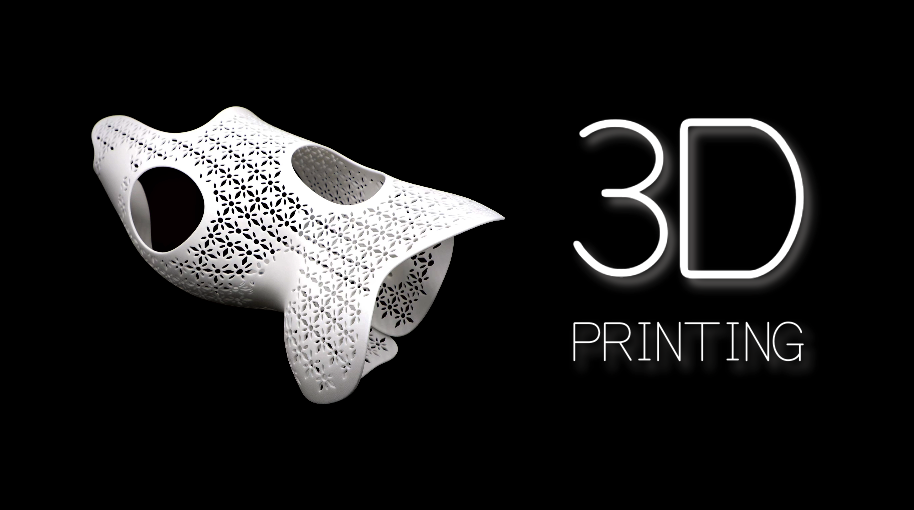
Orthotics, the field of medical devices focused on enhancing neuromuscular and skeletal systems, has been significantly transformed by 3D printing technology.
Introduction
Orthotics, the field of medical devices focused on enhancing neuromuscular and skeletal systems, has been significantly transformed by 3D printing technology.
This article explores the various processes involved in 3D printed orthotics, their applications, advantages, and the evolving trends in digital design technology.
Functions and Types of Orthotics
Functions of Orthotics
Orthotics serve several functions:
Stabilization and Support
Restrict abnormal movement to maintain joint stability and weight-bearing ability.
Fixation and Correction
Correct deformities or prevent their progression by immobilizing affected areas.
Protection and Load Exemption
Immobilize limbs or joints, maintain alignment, and relieve weight-bearing joints.
Reparation and Assisted Movement
Use devices like rubber bands or springs to compensate for muscle loss and assist limb movement.
Types of Orthotics
Upper Extremity Orthoses
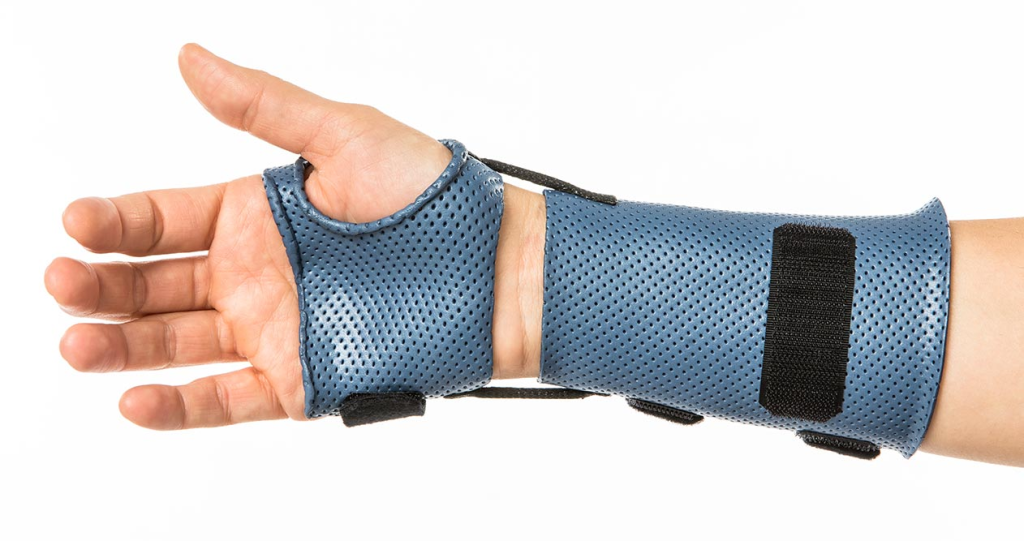
Shoulder, Elbow, Wrist, and Hand Orthosis
Elbow Wrist Hand Orthosis
Wrist-Hand Orthosis
Hand Orthosis
Lower Extremity Orthotics
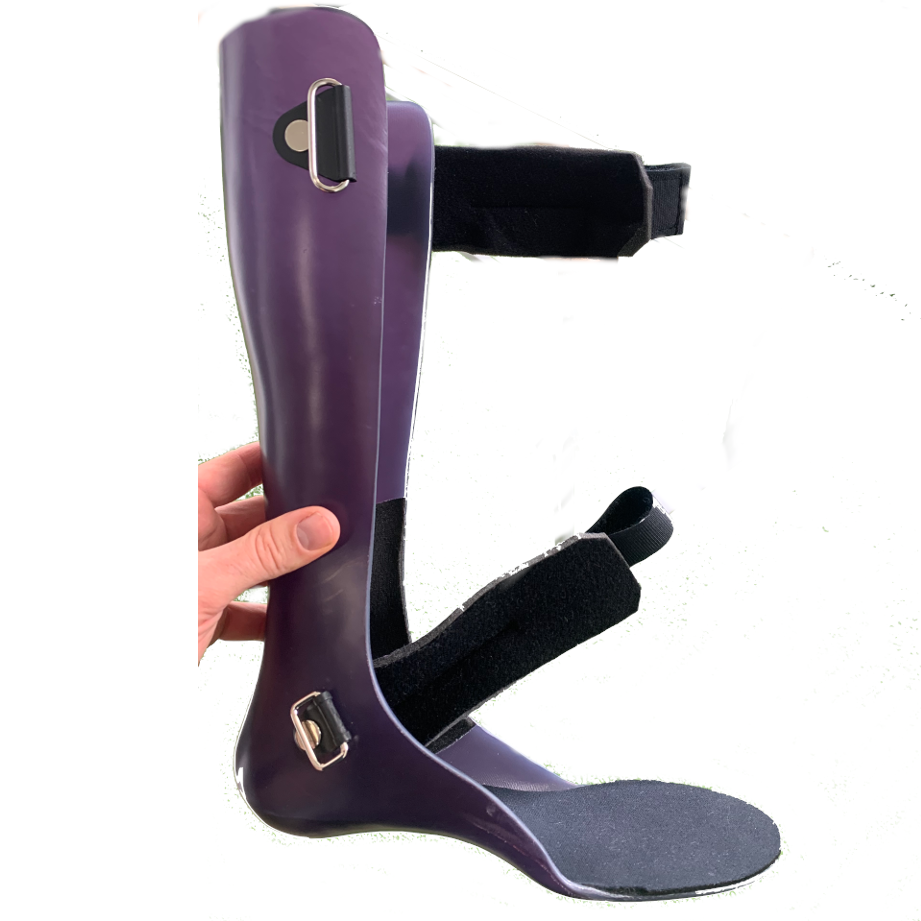
Hip, Knee, Ankle, and Foot Orthosis
Knee Orthosis
Knee-Ankle-Foot Orthosis
Ankle-Foot Orthosis
Foot Orthosis
Spinal Orthotics
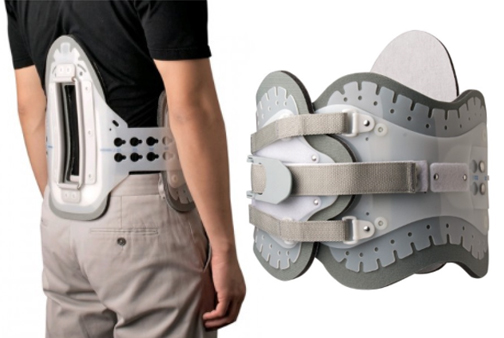
Cervical Orthosis
Thoracolumbosacral Orthosis
Lumbosacral Orthosis
3D Printed Orthotics: Why and How
Advantages of 3D Printed Orthotics
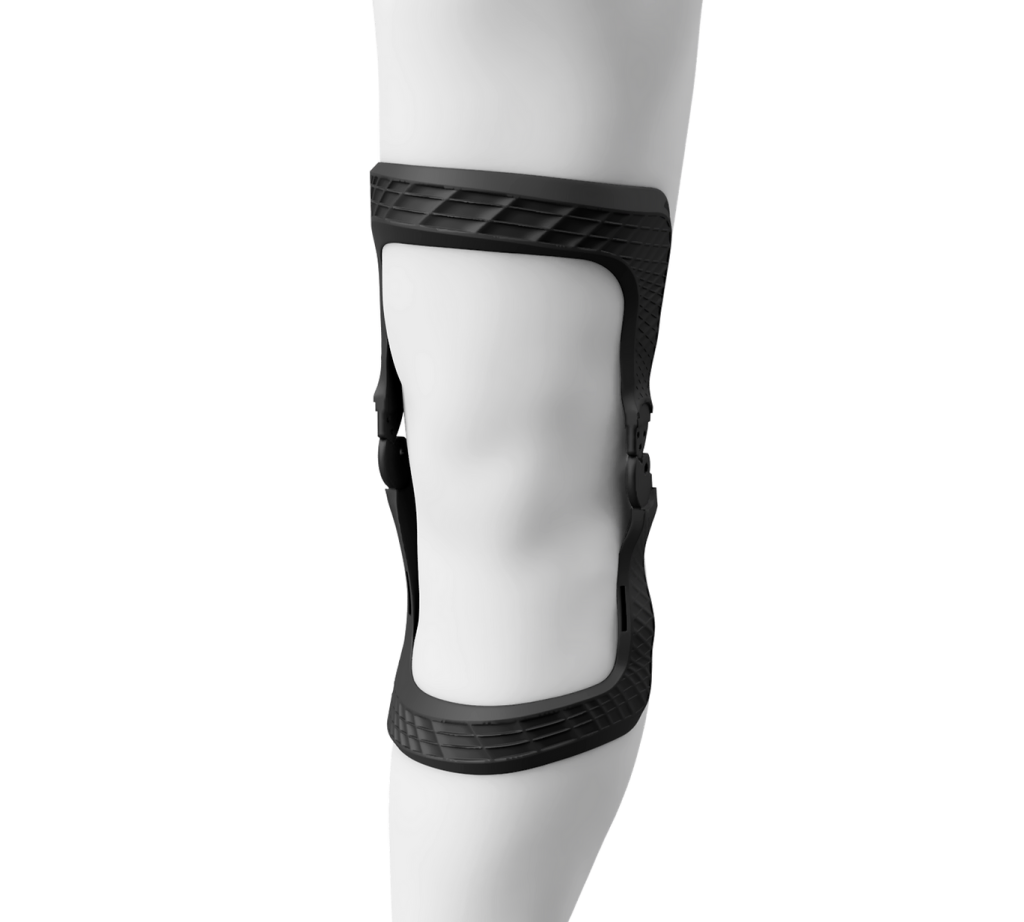
Rapid Customization: The inherent flexibility of 3D printing technology allows for swift adaptation to individual anatomical requirements. Each orthotic device can be precisely tailored to suit the unique needs of the patient.
Functional Integration: 3D printed orthotics seamlessly integrate various functional elements into a single design. This enables the incorporation of specialized features that enhance support, movement, and therapeutic outcomes.
Lightweight Design: Leveraging advanced materials and precise layering, 3D printed orthotics maintain their structural integrity while remaining remarkably lightweight. This not only enhances wearer comfort but also minimizes the impact on natural movements.
Improved Comfort: The ability to intricately design orthotic structures ensures a more ergonomic fit, reducing pressure points and discomfort commonly associated with traditional devices.
Aesthetic Appeal: 3D printing allows for creative design possibilities, enabling orthotics to be visually appealing and harmoniously blend with clothing and personal style.
Types of 3D Printing Processes for Orthotics
Material Extrusion Processes
Fused Filament Fabrication (FFF)
Materials: PA, PP, TPU, fiber-reinforced composite materials
Powder Bed Processes
High-Speed Sintering (HSS)
Multi-Jet Fusion (MJF)
Materials: PA12, TPU powder
VAT Photopolymerization Processes
Digital Light Synthesis (DLS)
Materials: Elastic photosensitive resin
Process for 3D Printed Orthotics
Examining the patient's condition
Prescribing customized orthoses
Acquiring patient imaging data through 3D scanning
Designing personalized orthotic models
3D printing the orthosis
Post-processing
Fitting the orthosis to the patient
Monitoring and feedback for adjustments

Applications of 3D Printed Orthotics
Foot and Ankle Orthosis (AFO)
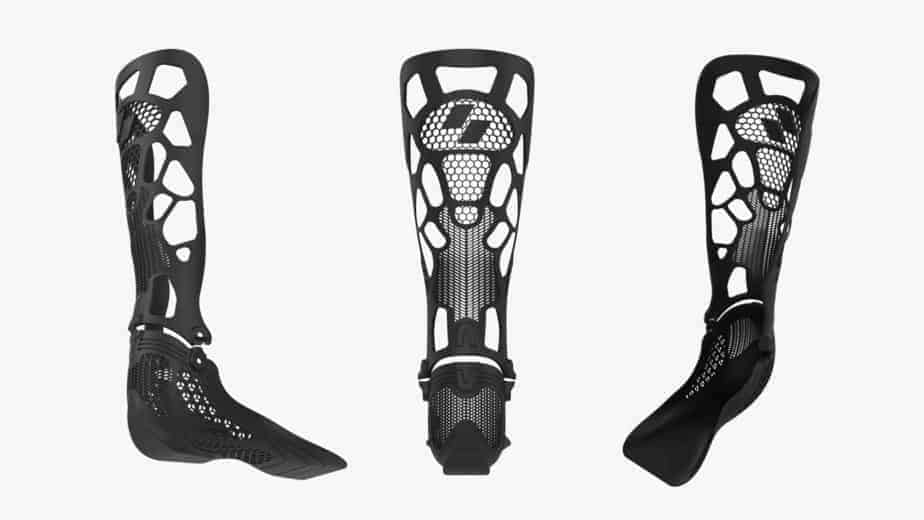
Foot and ankle orthosis, commonly referred to as AFO, is a specialized orthotic device designed for patients with ankle soft tissue injuries and foot instability. Its application extends to personal protective care during sports activities.
Clinical Applications
AFOs are beneficial in treating various conditions including:
Cerebral palsy
Stroke
Fractures
Spinal cord injuries
Peripheral nerve injuries
Types of Ankle Foot Orthosis
There are several types of AFOs, including:
Passive AFO (hinged and non-hinged)
Semi-active AFO
Active AFO
Manufacturing Requirements for AFOs
Strength for providing adequate support
Flexibility to ensure comfort during walking
Breathability to prevent excessive sweating
Lightweight design to minimize energy expenditure while walking
Aesthetic appeal for seamless integration into clothing
Ease of customization and molding
Evolution of AFO Manufacturing
The production of Ankle Foot Orthoses (AFOs) has progressed significantly. It started with molding thermoformed plastic sheets around plaster casts. Then, pre-impregnated carbon fiber sheet laminates were shaped around plaster casts for increased durability.
Currently, direct 3D printing is the cutting-edge method, enabling efficient and personalized AFO fabrication. This evolution highlights the continuous pursuit of enhancing orthotics through technological advancements.
Spinal Orthoses
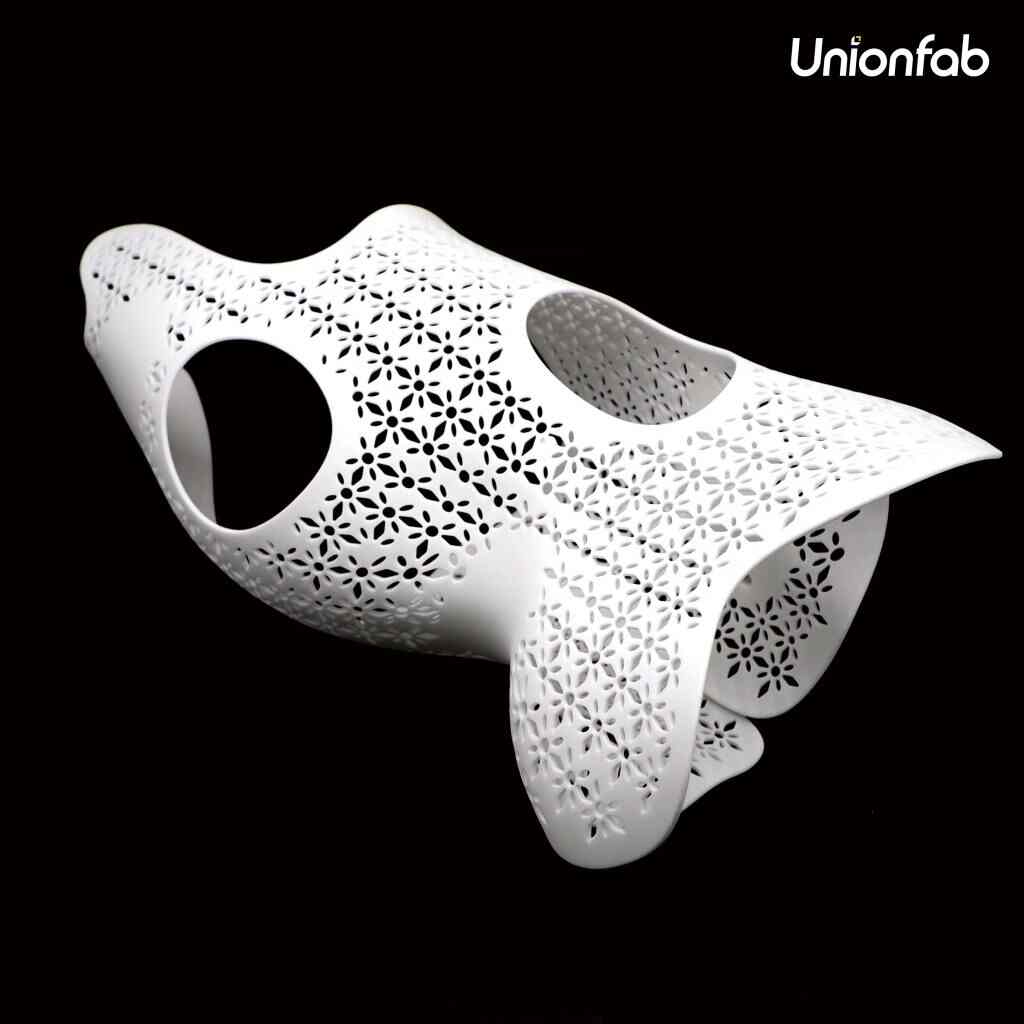
Spinal orthoses are globally acknowledged as effective treatments for scoliosis, a condition characterized by abnormal spinal curvature.
Advantages and Challenges of 3D Printed Spinal Orthoses
3D printed spinal orthoses offer distinct advantages:
Customized and comfortable scoliosis orthoses tailored to individual needs and biomechanical analysis.
Utilization of diverse production materials to meet varying patient material requirements.
Porous design enhancing breathability and reducing skin and soft tissue complications.
Simpler, faster, and cleaner production process aligned with human body characteristics and treatment needs.
However, 3D printed spinal orthoses face certain challenges:
Longer processing cycles compared to traditional methods
Higher costs due to the expense of materials
Spinal Orthoses Manufacturing Methods
Various manufacturing methods for spinal orthoses include:
Gypsum Process (Manual Process):
Plaster bandage
Model creation
Plaster paste application
MoldingCAD/CAM (Digitizing):
3D scanning for data acquisition
CAD design
Model machining
MoldingCAD/3D Printing (Digitizing):
3D scanning for data collection
CAD design
3D printing
Hand Orthoses
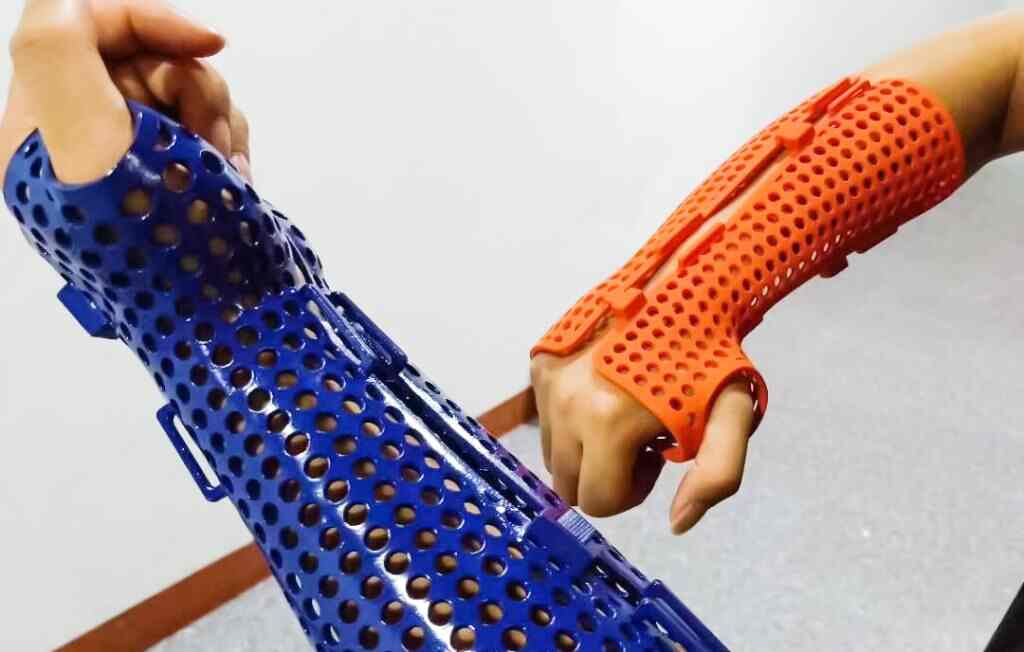
Applications of Hand Orthoses
Hand orthoses find therapeutic applications in treating:
Fractures
Sprains
Ligament injuries
Misalignment
Advantages of Hand Orthoses
Lightweight design
Waterproof properties
Compatibility with X-rays
Wearability under clothing
Facilitation of limited movement
Trends in Digital Design Technology for Orthotics
Digital design and manufacturing of orthotics involve computer-aided design/manufacturing, 3D scanning, medical modeling, and finite element analysis.
Early adoption saw manual trimming but has shifted to software-based trimming due to advancing software and AI-driven design tools. Software aids in comparing body scans and X-rays, reducing design errors.
Utilizing 3D Scanning for Patient Data
3D scanning for patient data acquisition eliminates secondary injuries and improves accuracy compared to manual methods.
This enhances orthotics customization, fit, comfort, and therapeutic effectiveness.
Conclusion
3D printing has revolutionized orthotics manufacturing, offering customized solutions with functional benefits. As technology advances, orthotics design and production will continue to become more efficient, patient-centric, and effective.