
DFM Fix List
For parts that may be hard to make, quote, mold, machine, cast, or assemble.
- Find geometry and tolerance blockers
- Separate critical and non-critical requirements
- Recommend concrete CAD or drawing fixes
Output: risk report + fix list
Assembly failures start upstream - before parts reach your floor. We review risks, validate assemblability, and define the controls that prevent rework at scale.
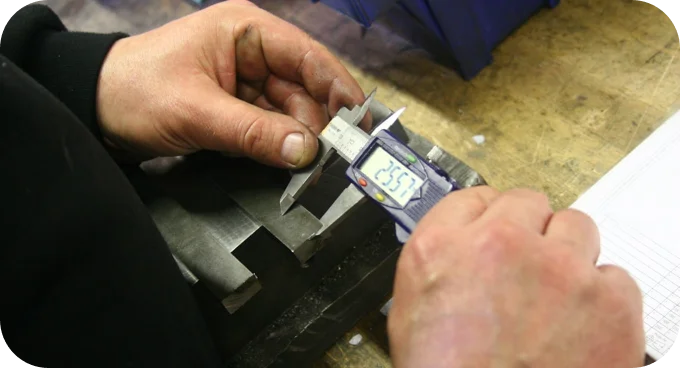 Fit risk check
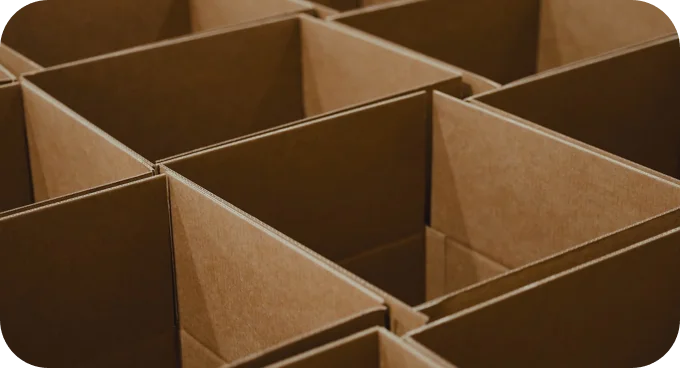 Pack-out standard
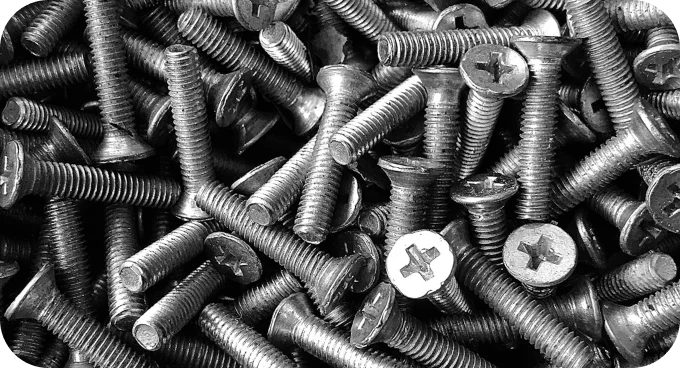 Fastener control
 Batch QC
Parts in -> controlled assembly -> ready-to-use units
Start with the assembly problem, not the build stage.







Choose the concern closest to what your team is seeing. We return a concrete action path that reduces failure, rework, or delivery instability.
Most teams do not need a stage model. They need to know what to do next and what failure it prevents.
For parts that may be hard to make, quote, mold, machine, cast, or assemble.
Output: risk report + fix list
For teams unsure whether to print, machine, cast, mold, assemble, or combine processes.
Output: recommended route + quote path
For teams ready to validate a low-volume build before tooling or launch spend increases.
Output: pilot plan + QC gates
Each action targets a failure mode that causes rework or unstable delivery.
Checks: mating features, stack-up, datum surfaces, access
Output: CTQ list and fit-control notes
Reduces: parts that fit once but not repeatedly
Checks: torque, inserts, screw length, pull-out risk, clip engagement
Output: fastening method and verification plan
Reduces: loose screws, stripped inserts, field failures
Checks: adhesive, surface prep, gap, cure time, squeeze-out
Output: bonding notes and acceptance criteria
Reduces: weak bonds and cosmetic rework
Checks: dimensional, cosmetic, functional, and final assembly criteria
Output: inspection checklist and defect log
Reduces: batch-to-batch variation
Checks: sequence, fixtures, handling, repeated manual steps
Output: sequence notes and fixture recommendations
Reduces: slow builds and operator-dependent results
Checks: labels, kitting, protection, carton rules, shipment readiness
Output: packing standard and delivery checklist
Reduces: missing parts, damage, and inconsistent delivery
One fit issue is manageable. Repeating it across 100 units turns into rework.
Torque, CTQ, fixtures, labels, and pack-out standards make the build repeatable.
Part production, assembly, inspection, rework, and delivery stay with one team.
CAD, BOM, photos, failed samples, target quantity, and the assembly issue your team is seeing.
Engineers review fit, tolerance stack-up, fastening, bonding, QC gates, and pack-out risk within 24 hours.
We define fit checks, CTQ dimensions, torque notes, fixture needs, QC gates, and pack-out requirements.
Parts are assembled, inspected, labeled, packed, and shipped with the agreed control standard.
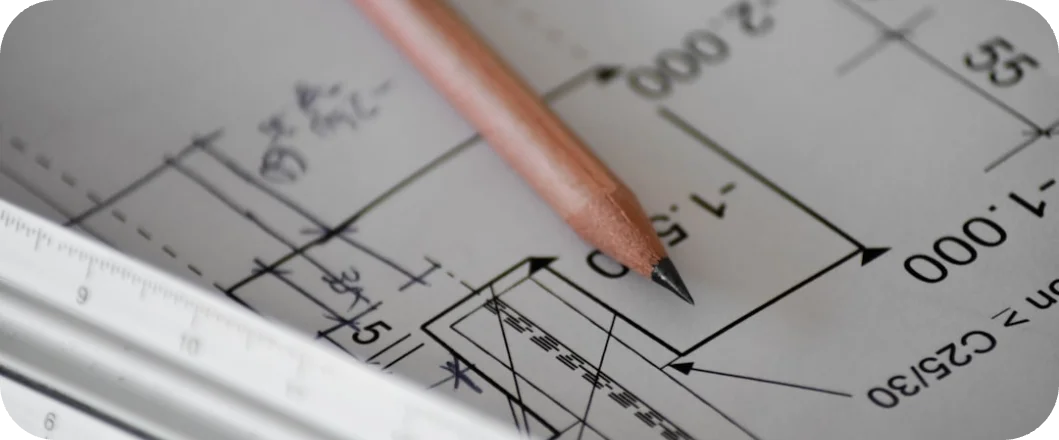
Controls for parts that must fit the same way every time.
Torque, inserts, adhesives, sequence, and rework criteria.
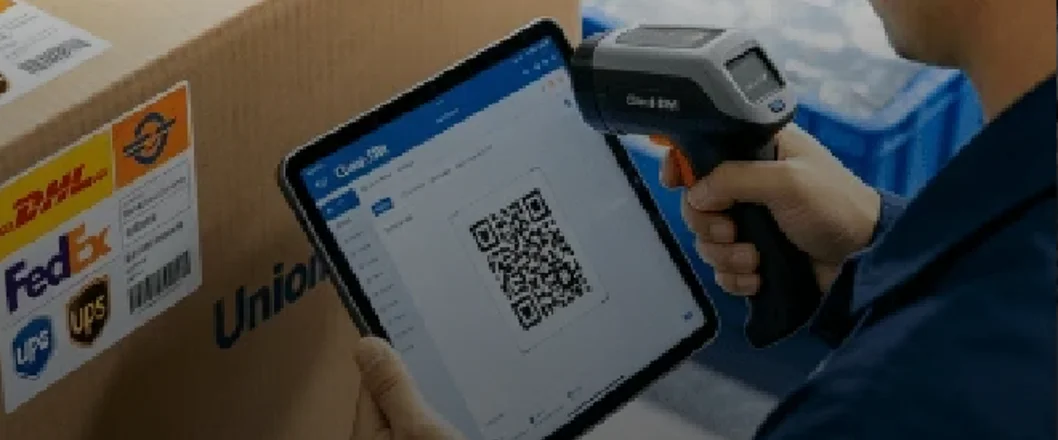
Finished kits that arrive complete, protected, and consistent.
ENGINEERING REVIEW
Share your CAD, BOM, photos, failed samples, or describe the issue your team is seeing. Unionfab's engineers review the risk, validate assemblability, and return a clear engineering path before the batch starts.

Unionfab is China's Largest 3D Printing Manufacturing Company for Rapid Prototyping and On-Demand Production Parts.
