
MACHINING CAPABILITY
3/4/5AXIS
Advanced vertical and horizontal CNC milling, turning, and gantry turn-mill machining.
Partner with Unionfab, a China-based CNC mill-turn machining company integrating in-house multi-axis production and a network of 300+ vetted suppliers, to get complex parts completed in one setup, with tight tolerances, consistent quality, and competitive pricing.

STEP | STP | IGS | DWG | DXF | PDF Files and More
Get Mill-Turn Machining Instant Quote No MOQ • ISO 27001 Certified • Free DFM Analysis






MACHINING CAPABILITY
Advanced vertical and horizontal CNC milling, turning, and gantry turn-mill machining.
PRECISION
ISO 2768-m (Default); Custom tight tolerances down to ±0.0002" (±0.005 mm).
MANUFACTURING SCALE
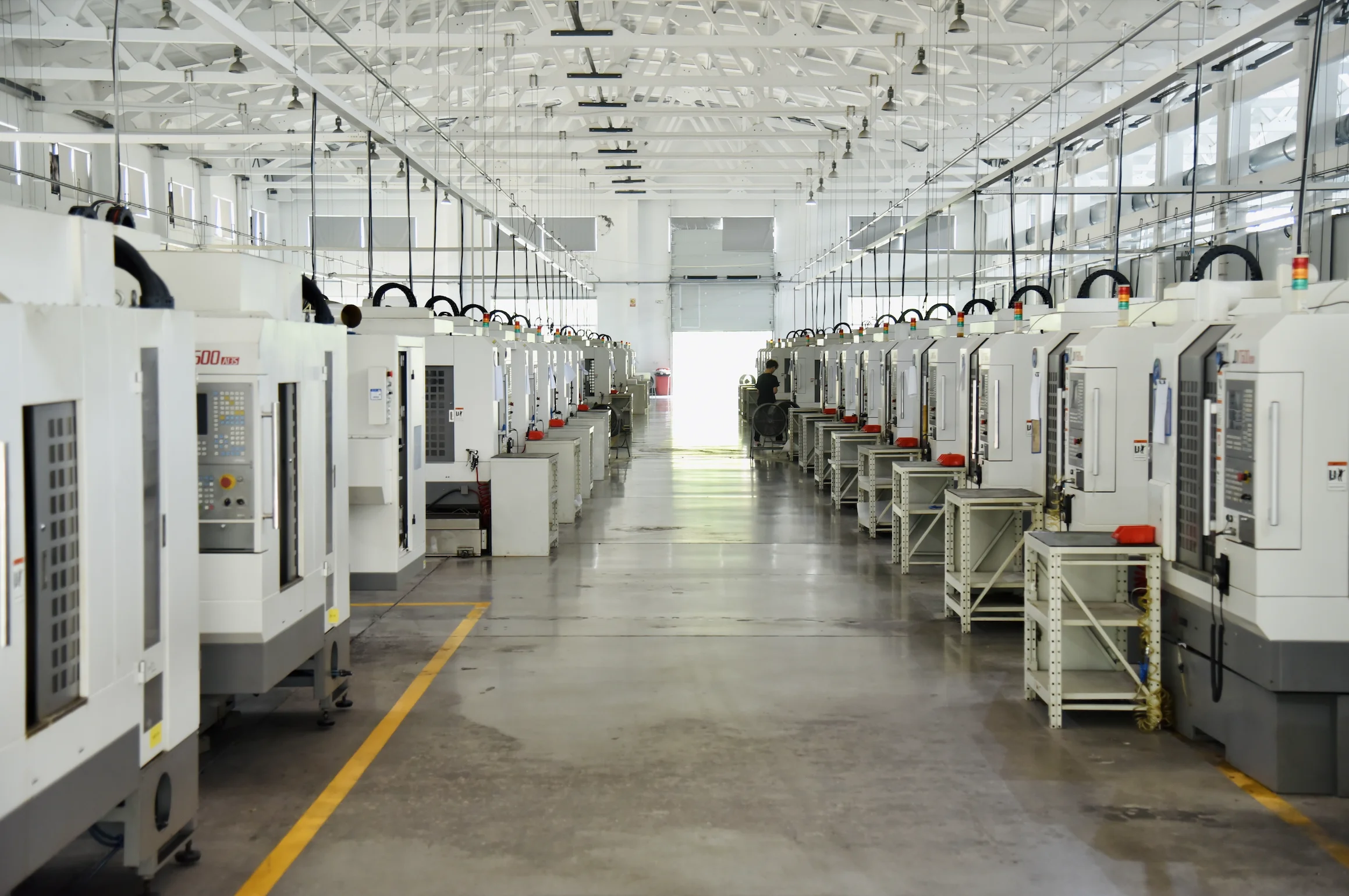
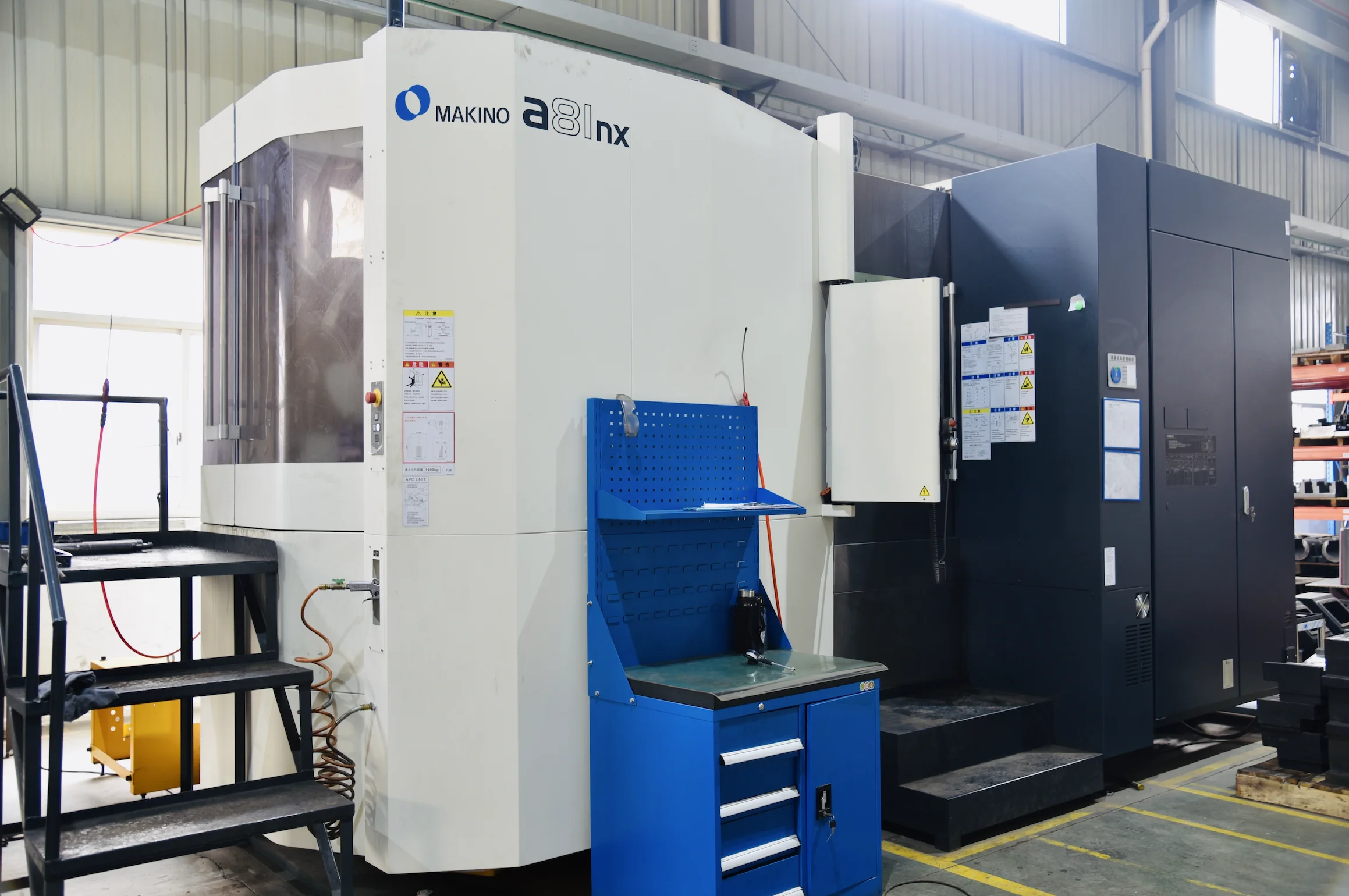
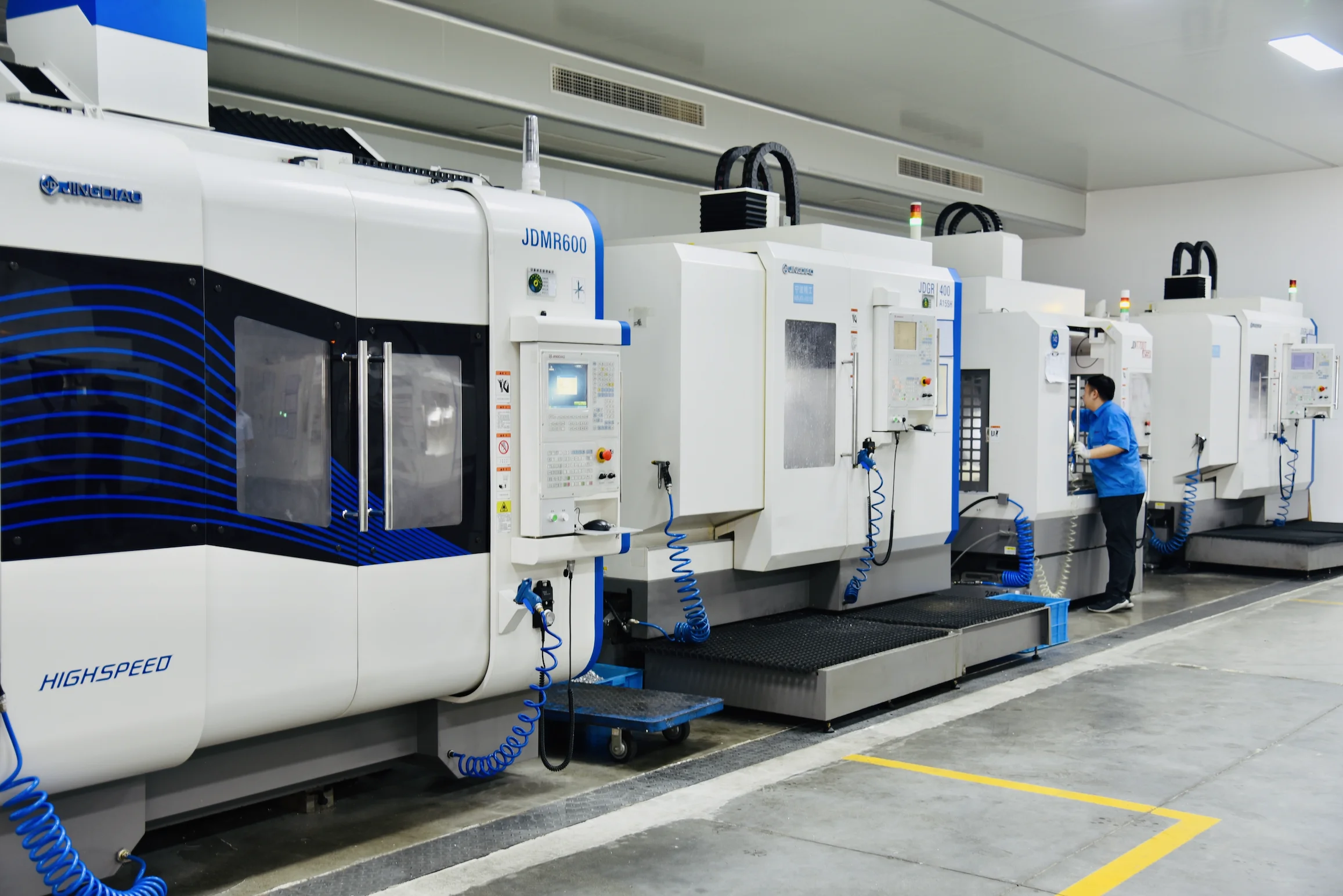
400+ advanced CNC machining centers (Mazak, DMG MORI, Makino etc.) in 4 in-house facilities.
CERTIFIED
ISO 9001, 14001, 13485 & IATF 16949 certified with NDA-secured manufacturing workflows.
Mill-turn machining combines CNC turning and CNC milling on a single machine platform. The workpiece rotates for turning operations, while live tooling performs milling, drilling, tapping, and slotting operations to produce flats, holes, slots, and off-axis features from a shared datum. Depending on the machine configuration, it may use C-axis control, Y-axis movement, a sub-spindle, tailstock, or B-axis milling head to complete complex parts in fewer setups.

Machining turned and milled features from a shared datum helps improve concentricity, angular positioning, and feature-to-feature accuracy.
Completing more operations on one machine reduces part transfers, fixture changes, and handoffs between turning and milling processes.
Consolidated machining reduces queue time, work-in-progress movement, and secondary setup time for complex parts.
For parts that would otherwise require multiple machines and fixtures, mill-turn machining can reduce labor, setup, and inspection effort.
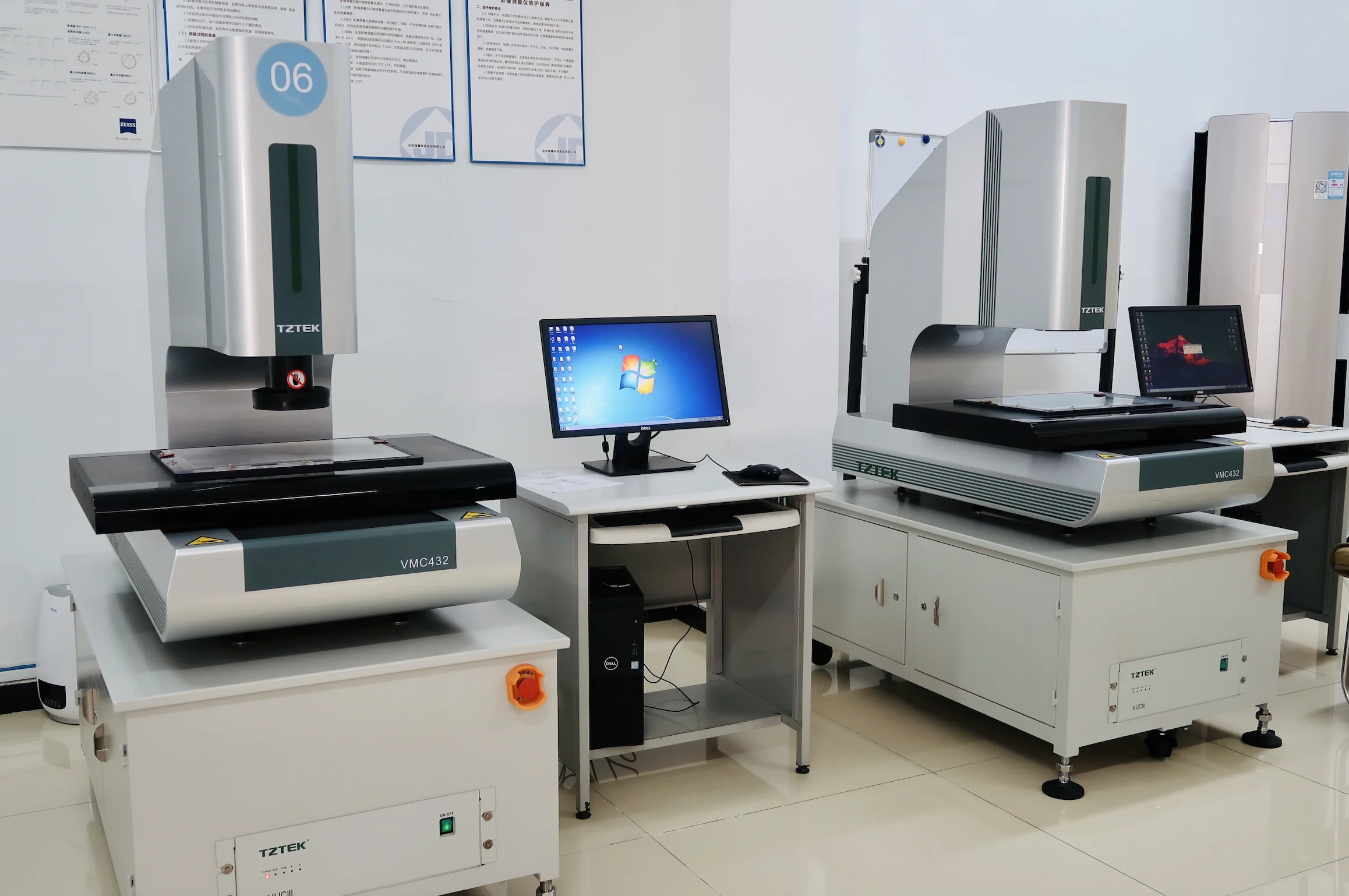
Mill-turn machining is the right choice when your part meets one or more of the following conditions:
Combines rotational geometry with milled, drilled, tapped, or off-axis features
Separate turning and milling would require multiple setups or re-fixturing
Turned diameters and milled or drilled features must align to a shared datum
The part requires machining on both ends or across multiple faces
Cross holes, flats, keyways, slots, grooves, or threads require controlled angular positioning
Repeated re-fixturing could introduce tolerance stack-up or positional error
We offer an extensive variety of high-quality CNC materials, carefully selected to ensure optimal performance across your diverse applications.
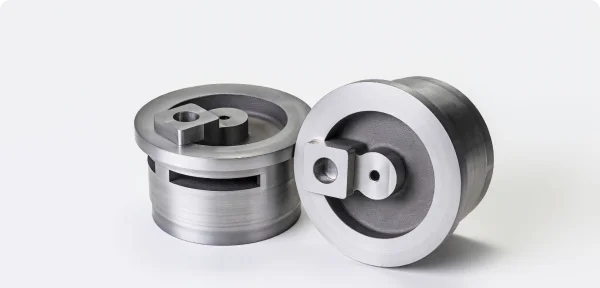
Choose from Unionfab's 60+ high-performance alloys including aluminum, stainless steel, brass, copper, titanium, and others for strong, precise, production-ready parts.
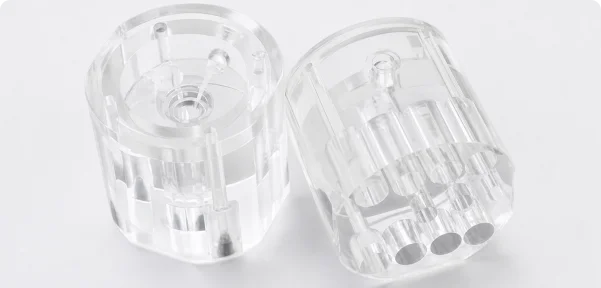
Choose from Unionfab's engineering plastics such as ABS, PC, POM, nylon, PEEK, and acrylic for lightweight, insulating, and wear-resistant components.
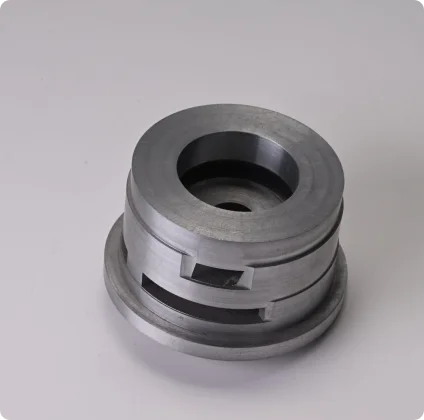
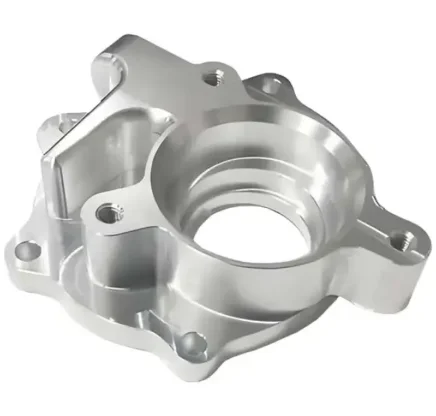
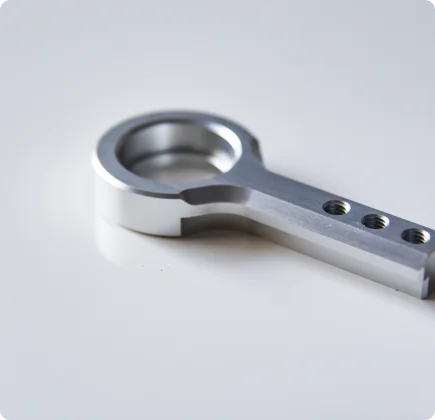
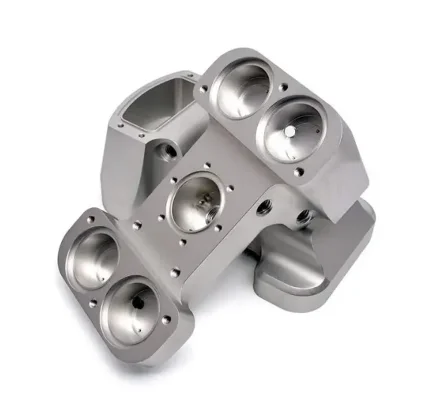
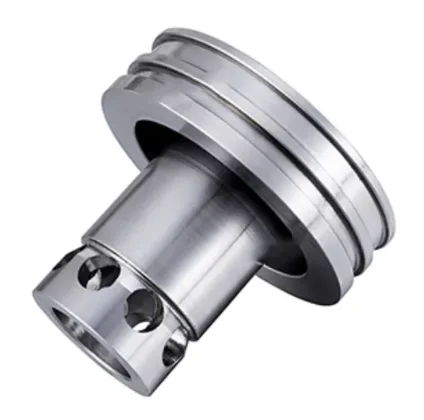
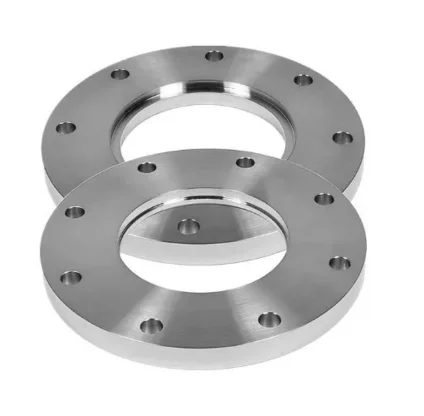
A great part deserves a great finish. We offer a diverse selection of surface treatments to enhance the durability, functionality, and look of your CNC machined parts. Browse our capabilities below:
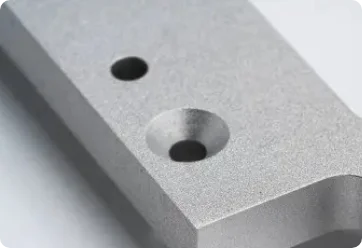
A mechanical surface treatment that bombards the part with fine glass beads at high pressure to remove tool marks and create a uniform, matte texture.
Achieving a consistent, non-reflective aesthetic finish and hiding minor surface defects on consumer electronics, enclosures, or grip surfaces.
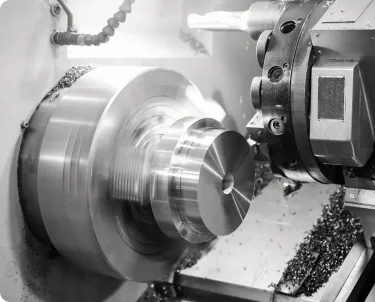
Mill-turn machining keeps turned diameters aligned with milled flats, keyways, cross holes, ports, and threaded features in a single setup, reducing stack-up error across rotating and flow-control components.
Typical parts: Shafts, spindles, drive shafts, bushings, sleeves, couplings, pulleys, bearing seats, valve bodies, valve stems, nozzles, hydraulic and pneumatic fittings, adapters
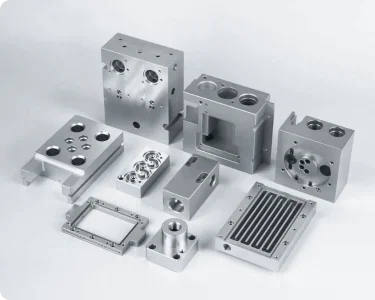
Mill-turn machining supports interface components with turned mating surfaces and milled flats, slots, or threaded features controlled from the same datum, ensuring consistent fit and function.
Typical parts: Connectors, sensor housings, instrument housings, electronic interface components
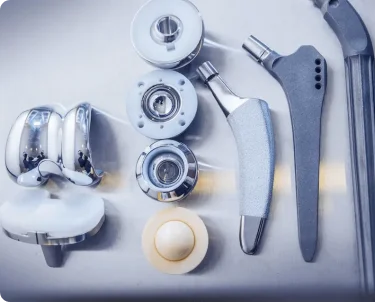
Reduced setups and controlled feature alignment support the tight tolerances and repeatability required for patient-contact and engineering-critical components.
Typical parts: Medical device components, surgical tool components, implant-related components, precision medical housings
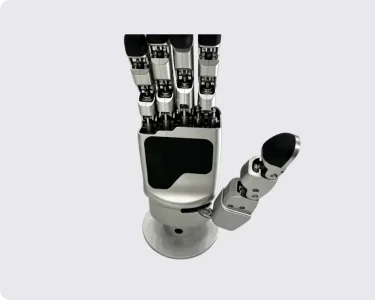
Mill-turn machining maintains positional accuracy across turned and milled features on joint and motion-control components, supporting consistent performance across prototyping and production runs.
Typical parts: Robotic joint components, end-effector parts, precision tooling components, actuator housings
Conventional CNC workflows often separate turning and milling into different operations. Mill-Turn machining integrates both processes to reduce part transfers and maintain closer relationships between turned and milled features.
| Comparison | CNC Mill-Turn Machining | Separate CNC Turning & Milling |
|---|---|---|
| Setup Count | Often completes multiple operations in a single setup or with fewer setups | Commonly requires separate turning and milling setups |
| Supported Operations | Turning, milling, drilling, tapping, boring, grooving, and off-axis machining — all within one setup | Same operations are typically achievable, but require separate turning and milling machines/setups |
| Feature Alignment | Turned and milled features can be machined from a shared datum, reducing repositioning error | Alignment depends on accurate re-fixturing between setups |
| Tolerance Stack-Up | Reduces risk from repeated part transfers by keeping features referenced to a common datum | Higher risk of accumulated setup variation |
| Both-End Machining | Can be automated with a sub-spindle when available | Usually requires a separate setup for second-end machining |
| Best Fit | Rotational parts with secondary milled, drilled, tapped, or off-axis features | Simple turned parts or predominantly prismatic milled parts |
| Cost Consideration | Cost-effective when process consolidation removes multiple setups | Often more economical for geometrically simple parts |
We adhere to a strict multi-stage inspection protocol to ensure every part meets your exact specifications.
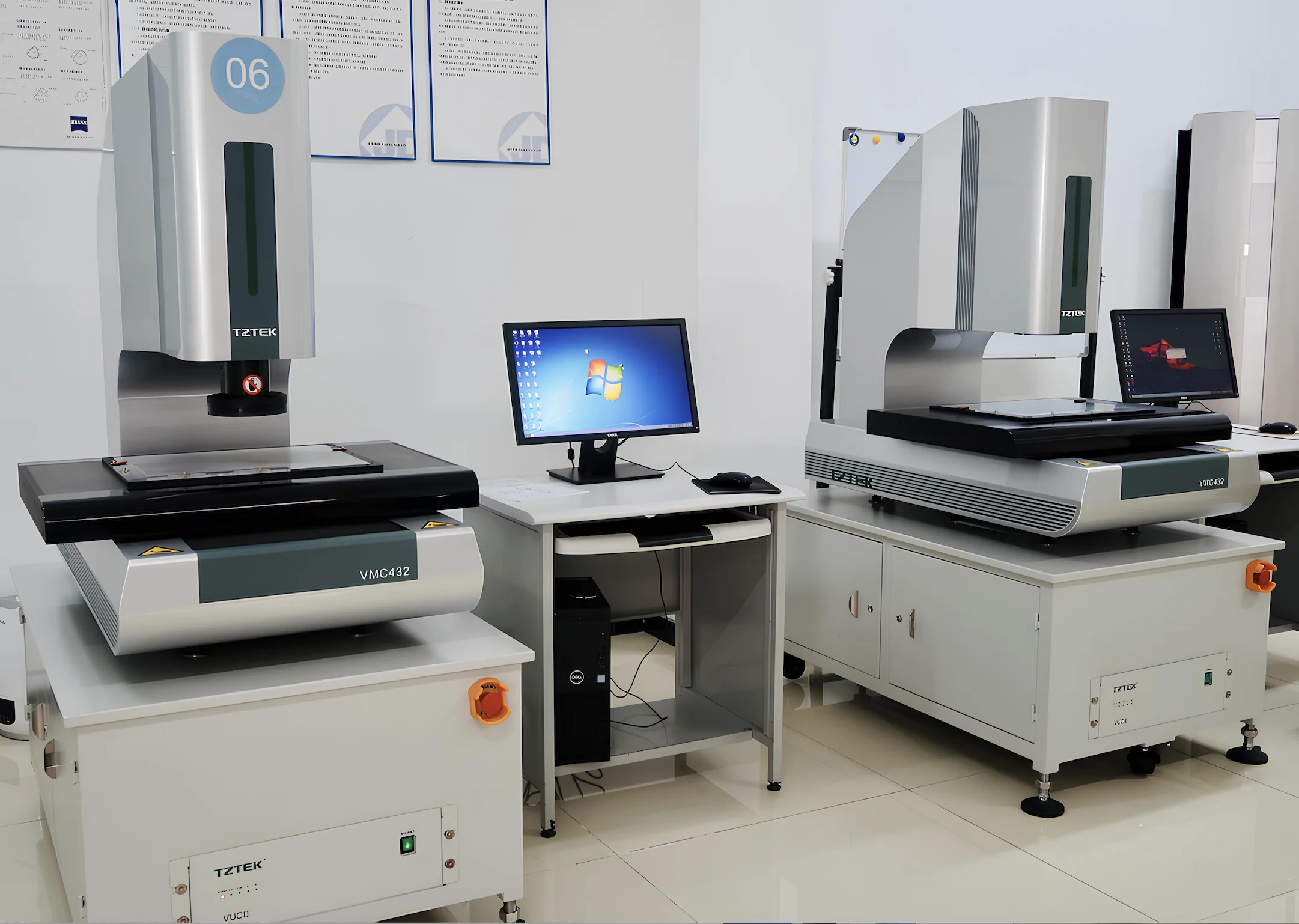
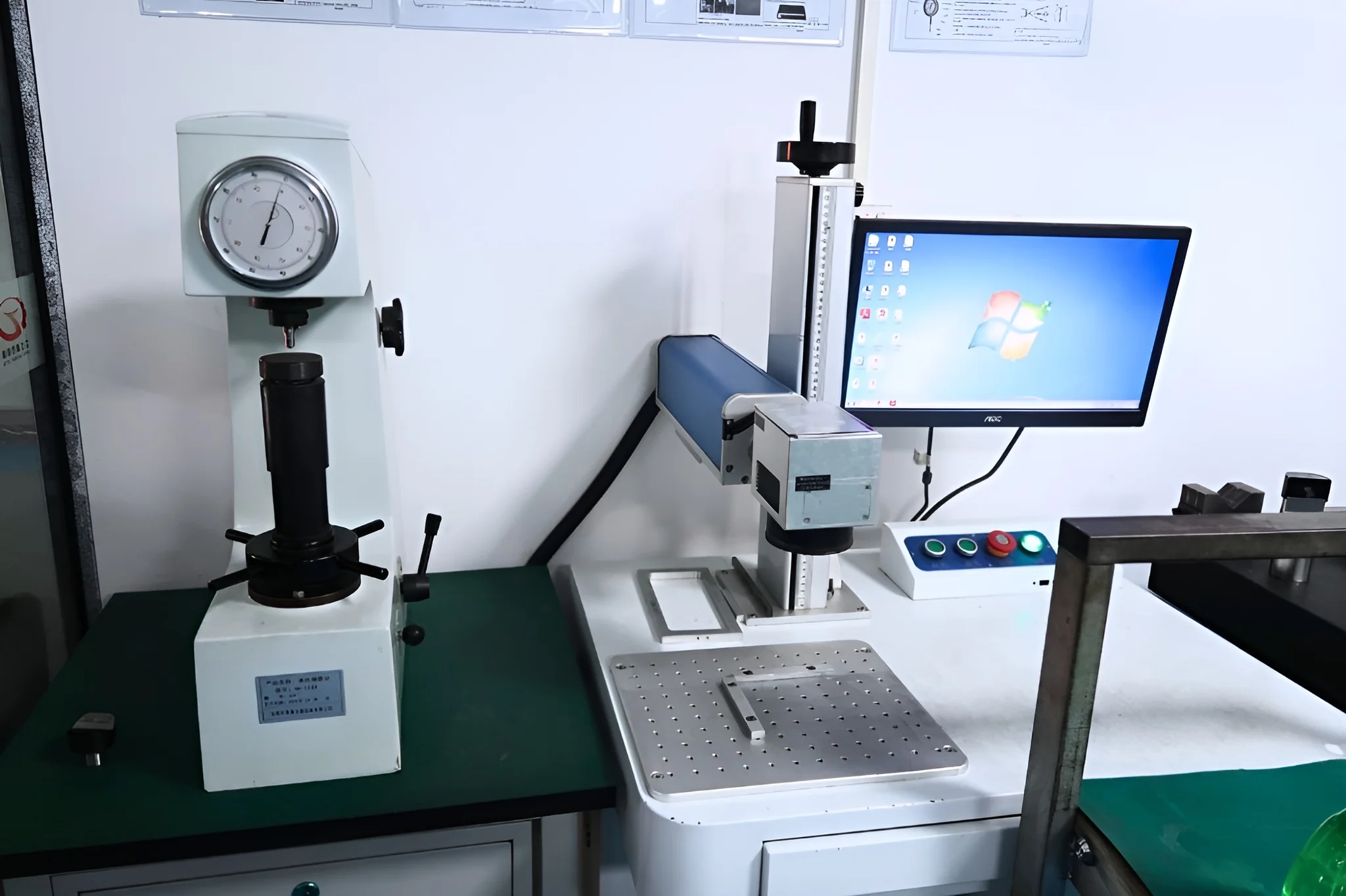
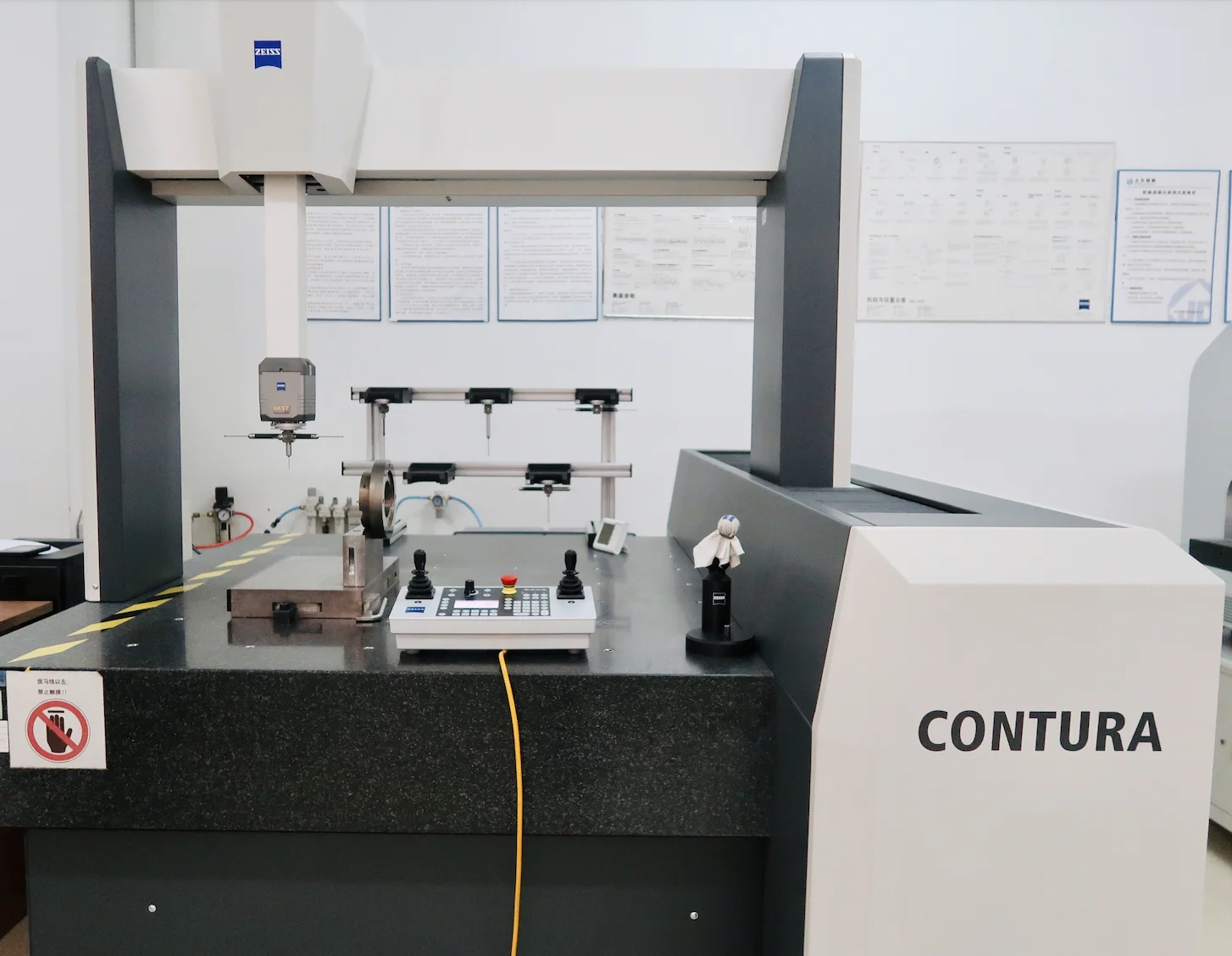
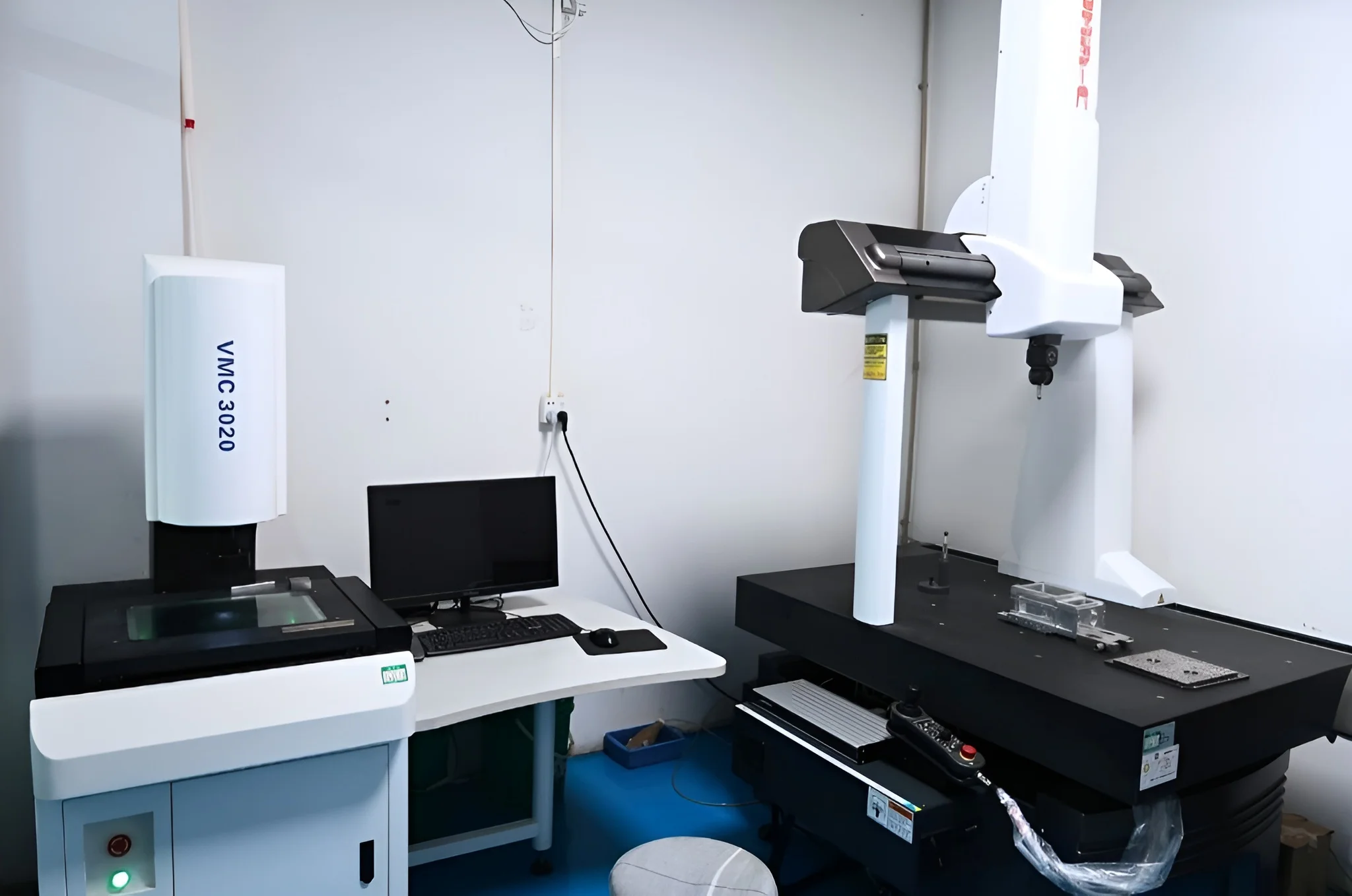
Every order includes a First Article Inspection report (upon request).
We utilize state-of-the-art CMM (Coordinate Measuring Machines), profilometers for surface roughness, and calibrated hand tools.
All material certifications and heat treatment reports are archived and available for audit.
Our quality systems are aligned with international ISO 9001 standards, covering dimensional, geometric (GD&T), and material requirements.
For more details on our quality standards, check out our Inspection Checklist (including both standard and premium options).
We accept both 3D models and 2D drawings. For instant geometry analysis and baseline pricing, please upload your 3D CAD files in STEP, STP, or IGS formats. If your part requires specific tight tolerances, GD&T callouts, or threaded holes, a supplementary 2D drawing in PDF, DWG, or DXF format is required.
We have no strict Minimum Order Quantity (MOQ = 1). Whether you need a single rapid prototype for design validation or a low-volume production run of thousands of parts, our flexible manufacturing network is built to scale with your project efficiently and cost-effectively.
Our standard manufacturing lead time for most CNC projects is 5 business days. For exceptionally simple parts or urgent prototyping needs, we can expedite production and ship in as fast as 1 day. (Please note: Lead times may vary depending on part complexity, total quantity, and any secondary surface finishes required.)
100% Yes. We take intellectual property (IP) protection and data security incredibly seriously. We are proudly ISO 27001 Certified for information security management. Your files are encrypted and shared exclusively with essential engineering staff. We are also fully prepared to sign your Non-Disclosure Agreement (NDA) before you share any CAD files.
Absolutely. By default, every order includes a standard Dimensional Tolerance Report. For production volume orders, we supply comprehensive First Article Inspection (FAI) reports. If your critical components require ultra-precision metrology, full CMM (Coordinate Measuring Machine) inspection is available for an additional fee.
For a deep dive into our quality control processes, please read our guide on Unionfab QC & Inspection Capabilities.
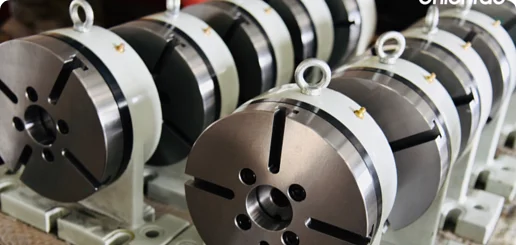
CNC Machining: A Complete Guide
This guide provides a systematic overview of CNC machining, detailing its core principles, operational workflows, equipment types, material selections, and industry applications.
CNC Machining Price Guide: Breakdown & Price Comparison
Break down CNC machining prices, learn cost-saving strategies, and compare several major CNC service providers.
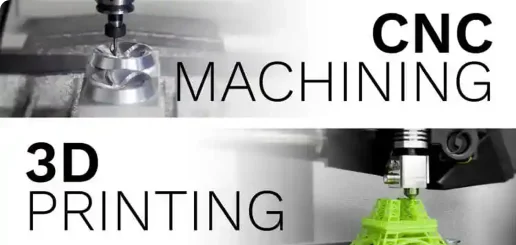
3D Printing vs. CNC Machining
Discover the key differences between 3D Printing and CNC Machining. Learn about their processes, materials, benefits, and best use cases in manufacturing.
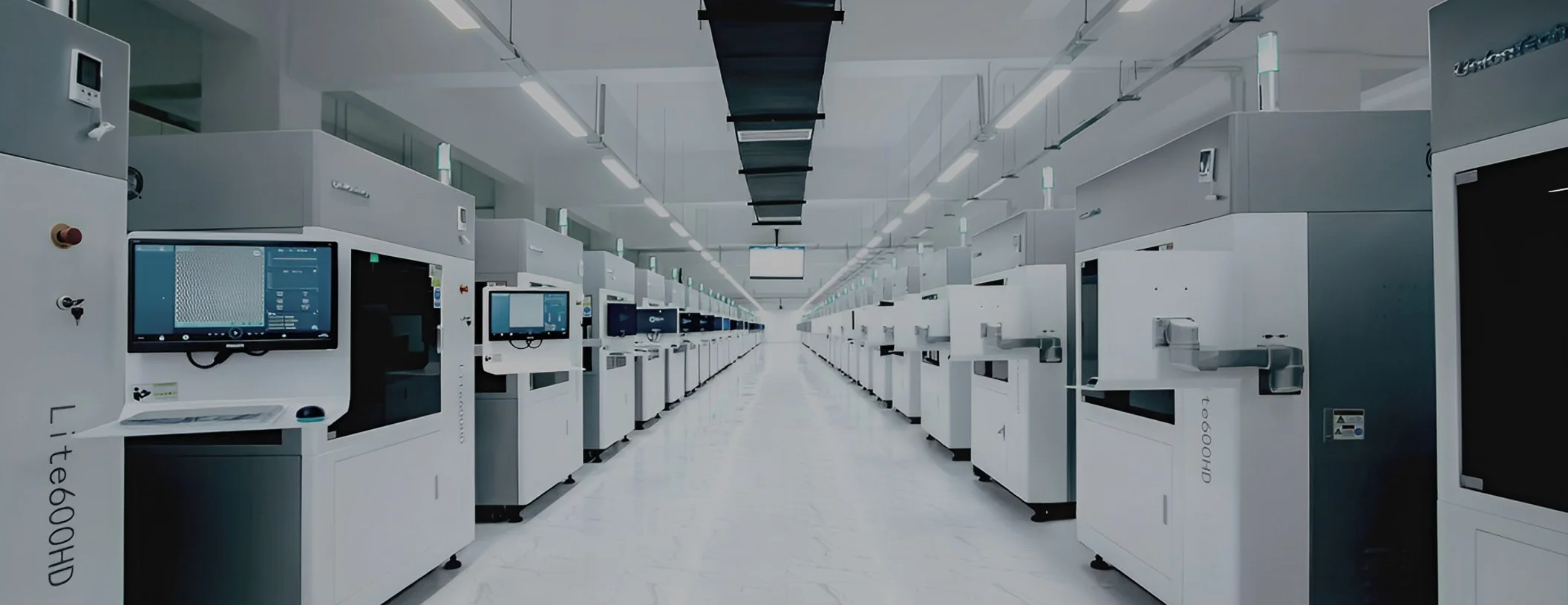

Unionfab is China's Largest 3D Printing Manufacturing Company for Rapid Prototyping and On-Demand Production Parts.


