
DELIVERED
8M+
Parts manufactured and delivered globally across rapid prototyping and production projects.
Partner with Unionfab, a China-based injection molding company that helps you validate designs and scale into molded production with expert mold design, traceable material quality control, and one seamless workflow from low- to high-volume runs.

STEP | STP | IGS | DWG | DXF | PDF Files and More
Get Injection Molding Quote ISO 27001 Certified • Free DFM Review • 10% Off First Order






DELIVERED
Parts manufactured and delivered globally across rapid prototyping and production projects.
FACTORY AREA
The combined area of Unionfab facilities totals 80,000 m².
MATERIALS
60+ engineering-grade plastics including ABS, PP, PC, Nylon, and more.
CERTIFIED
ISO 9001, 14001, 13485 & IATF 16949 certified with NDA-secured manufacturing workflows.

Better mold design can reduce total cost, shorten lead time, and improve long-run production stability. Unionfab helps customers evaluate cavity strategy, runner layout, cooling efficiency, mold life, and production stage to arrive at the most suitable tooling solution for the program.
Material consistency matters in repeat production. Unionfab helps maintain tighter control over material quality, authenticity, and batch consistency so production runs stay more reliable over time.
Early manufacturability feedback helps prevent expensive tooling mistakes. Unionfab reviews part geometry, draft, wall thickness, ribs, gates, undercuts, and other moldability risks before production begins so design issues can be addressed earlier and more clearly.
Unionfab works with you throughout the course of your project to help you move efficiently from prototyping to production, with support for finishing options, inspection reporting, and a digital experience backed by human engineering experts.
Not every injection molding project starts at the same place. You may need real molded parts to validate your design decisions, a bridge into launch, or a reliable path toward stable repeat production.

Choose this path when you need real molded parts to confirm design, fit, and material choices before making a larger production commitment.
Ideal for: design validation, fit checks, and early molded part reviews
Cost focus: reduce upfront tooling exposure and limit the risk of design changes
Production goal: confirm design readiness before committing to higher-volume production
Typical use: products moving beyond 3D printing but not yet ready for repeat manufacturing

Choose this path when you need production-like parts for pilot runs, launch preparation, or early market demand before committing to full-scale production.
Ideal for: pilot runs, launch quantities, and short-term production needs
Cost focus: balance tooling investment, launch speed, and short-run economics
Production goal: support real customer demand while building more accurate forecasts
Typical use: products that have passed validation but still need demand confidence

Choose this path when your design is mature and demand is predictable, with a focus on reliable supply and long-term cost efficiency.
Ideal for: repeat orders and ongoing production programs
Cost focus: improve long-term unit cost and manufacturing efficiency
Production goal: maintain consistent output, quality, and supply continuity
Typical use: products with predictable volumes and long-term cost targets
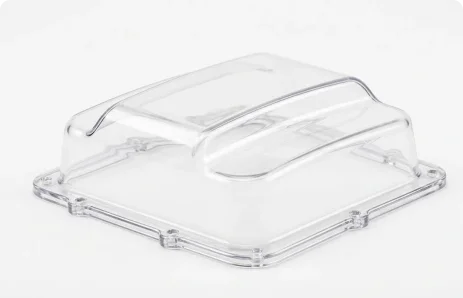
Injection molding is a manufacturing process where high-pressure molten thermoplastic is injected into a precision mold cavity, cooled, and ejected as a finished part. It's one of the most widely used methods for producing plastic components at scale.
Best for: Enclosures, brackets, connectors, gears, caps, and housings.
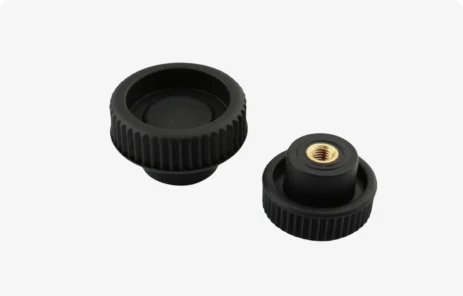
Insert molding is a process in which plastic is molded directly around a pre-placed insert, such as a metal fastener, threaded bushing, or electrical contact, permanently embedding it within the finished part during a single molding cycle.
Best for: Threaded inserts, electrical connectors, sensor housings, PCB standoffs, and knobs with metal shafts.
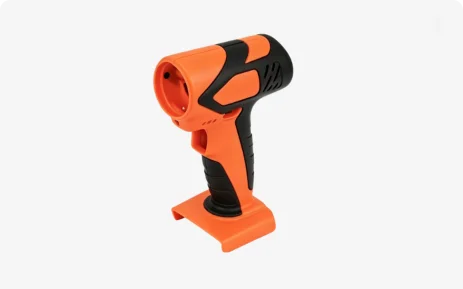
Overmolding is a two-shot process in which one material, often a soft elastomer, is molded over a base substrate, typically a rigid plastic, fusing the two into a single, unified component.
Best for: Grips, handles, gaskets, seals, buttons, and cable strain reliefs.
Choosing the right tooling route is one of the biggest decisions in injection molding. In most cases, the choice comes down to soft tooling or hard tooling, depending on your quantity, timeline, and production goals.
.png?x-oss-process=image/format,webp/quality,Q_85)
A flexible option for early-stage programs that need faster sampling, lower upfront cost, and room for design adjustments before production.
.png?x-oss-process=image/format,webp/quality,Q_85)
A long-term production solution for programs with clearer demand, mature designs, and a focus on repeatability and cost efficiency.
We offer a broad range of thermoplastics to match your different performance requirements and part geometries.
A tough, lightweight engineering thermoplastic offering excellent impact resistance, smooth surface finish, and ease of painting and post-processing.
Ideal For: Consumer electronics housings, automotive interior parts, toys, instrument enclosures
Explore Our Full Material Library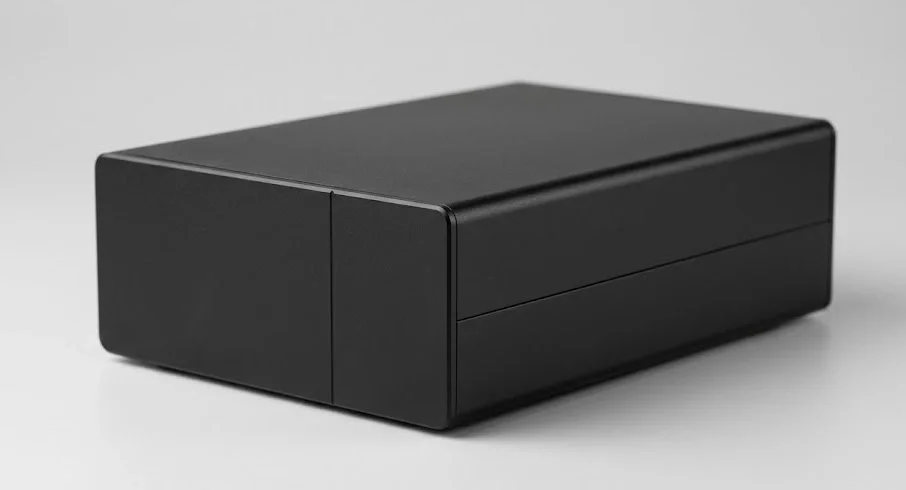
We offer a range of secondary operations to support appearance, branding, joining, and final part readiness after molding.
A controlled coating process that applies liquid paint to molded plastic parts for custom color, improved surface appearance, and added protection against handling wear or environmental exposure.
Best For: Consumer product housings, cosmetic covers, display components, and visible plastic parts requiring brand-specific colors, gloss levels, or a more refined surface finish.
Explore All Finishing Options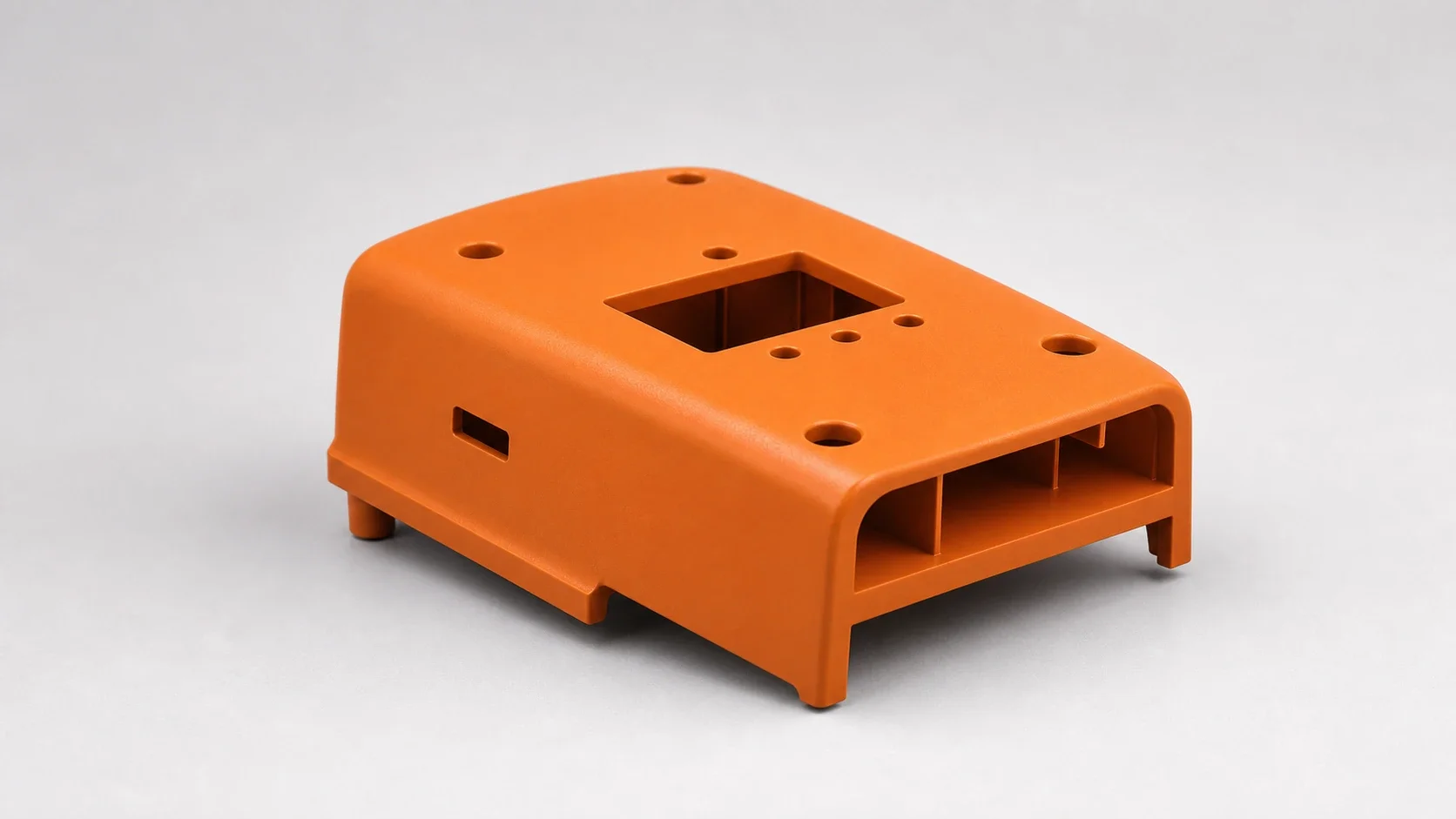
At Unionfab, we make custom injection molding clearer, faster, and easier to manage from first review to final delivery. Our process is built to help customers move from part files to validated tooling and repeat production with more confidence at every stage.

Send us your 3D CAD files, 2D drawings, expected quantity, material preferences, and any cosmetic or tolerance requirements. This gives our team the information needed to review manufacturability and recommend the right production path early.

Based on your submitted files and requirements, we provide a quotation covering tooling approach, material selection, unit pricing, and lead time. Most projects receive an initial quote within one business day.

Our engineering team reviews the design for moldability, cost drivers, and production risks. DFM feedback may include comments on wall thickness, draft, ribs, gates, undercuts, and other features that affect tooling quality and part consistency.

Once the plan is confirmed, we move into tooling fabrication and initial sampling. T1 samples are produced for your review so fit, function, dimensions, and cosmetic expectations can be checked before the program moves into full production.

After T1 approval, production moves forward using the validated tooling and agreed process conditions. This supports better repeatability and a smoother transition from sampling into ongoing manufacturing.

Finished parts are inspected, packed, and prepared for shipment according to project requirements. For repeat programs, Unionfab also supports continued production, material consistency, and stable long-run supply.
Injection molding is widely used to produce plastic parts for automotive, medical, consumer, electronics, and industrial applications. It is ideal for high-volume production, offering consistent quality, tight tolerances, fast turnaround, and low cost per part.
Common injection molded parts include:
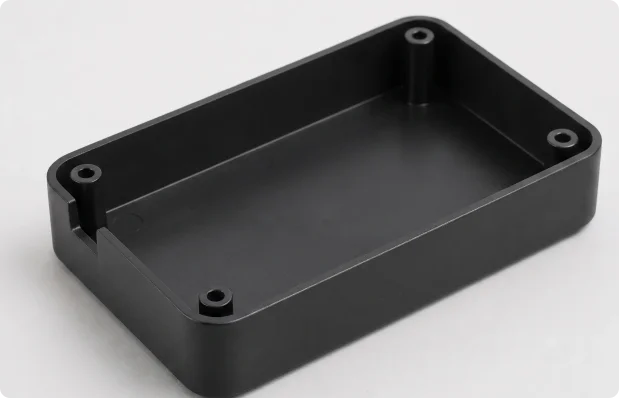

Once tooling is complete, injection molding produces large quantities of identical parts rapidly, with cycle times measured in seconds and unit costs that decrease significantly at scale.
It supports a wide range of thermoplastics and thermosetting plastics, allowing you to select the ideal material based on your requirements for strength, heat resistance, durability, or appearance.
Each cycle replicates the same geometry, dimensions, and surface finish, making injection molding well-suited for programs where part-to-part consistency is a core requirement.
After tooling investment is recovered, per-part costs remain low across long production runs, making injection molding one of the most cost-efficient processes for high-volume plastic components.

Mold fabrication requires significant upfront cost and lead time, which can make injection molding less practical for low-volume runs or early-stage designs that are still subject to change.
Tooling design, fabrication, and sampling take time before production parts can be delivered, requiring early planning compared to processes like CNC machining or 3D printing.
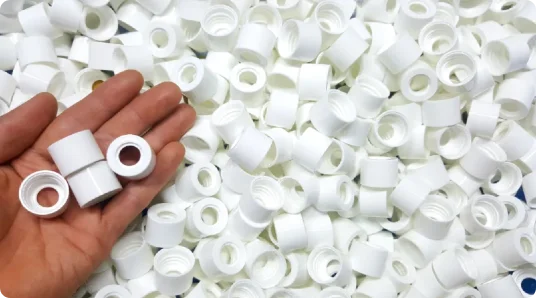
Injection molding is a manufacturing process used to produce repeatable plastic parts by injecting molten resin into a custom mold. Once the plastic cools and solidifies inside the mold cavity, the mold opens and the finished part is ejected for inspection, finishing, or assembly.
This process is widely used for end-use plastic components because it combines strong repeatability, clean surface quality, and efficient production at scale.
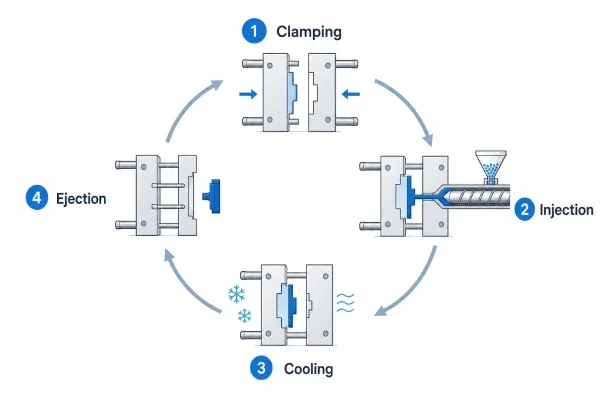
The physical injection molding process is a precise, high-speed mechanical cycle. Once your mold is secured in the press, the automated production follows these critical steps:
Injection molding costs vary depending on key factors like part geometry, mold complexity, cavity count, and material selection. Because every project is unique, we provide personalized quotes to give you the most accurate price. Simply upload your designs to our platform for a fast, detailed estimate.
We apply tolerances in accordance with ISO 20457. If your project requires tighter tolerances, feel free to reach out and we can discuss your specific needs.
The maximum part size we can support for plastic injection molding is 1436 x 960 x 223 mm (56.5" x 37.8" x 8.8").
Yes, we do. Before you commit to an order, our engineers perform a comprehensive Design for Manufacturing (DFM) review on your CAD files. We evaluate your design for critical molding factors like draft angles, wall thickness, and gate placement to ensure your parts are fully optimized for production. This upfront engineering support helps eliminate costly tooling revisions and accelerates your lead times.
Absolutely. We take your intellectual property (IP) protection and data security incredibly seriously. As an ISO 27001 Certified platform, your files are rigorously encrypted and shared exclusively with the essential engineering staff handling your project. We are also fully prepared to sign your Non-Disclosure Agreement (NDA) before you share any CAD files.
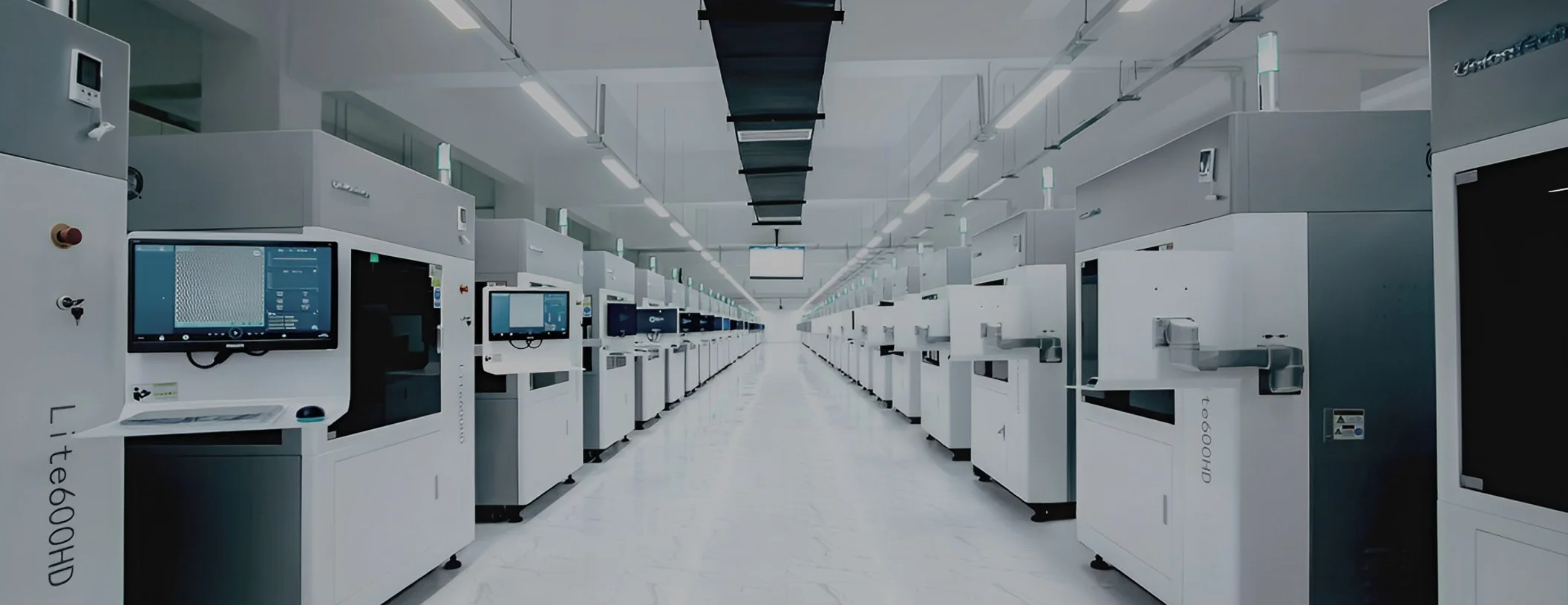

Unionfab is China's Largest 3D Printing Manufacturing Company for Rapid Prototyping and On-Demand Production Parts.
