
EDM CAPABILITY
Wire/Sinker
Wire, sinker, and hole-drilling EDM for cutting and cavity forming.
Partner with Unionfab, a China-based EDM machining company integrating in-house wire, sinker, and hole-drilling EDM capabilities with a network of 300+ vetted suppliers, to machine hardened tool steels and titanium with tight tolerances, sharp internal corners, and clean cuts.

STEP | STP | IGS | DWG | DXF | PDF Files and More
Get EDM Machining Quote No MOQ • ISO 27001 Certified • Free DFM Analysis






EDM CAPABILITY
Wire, sinker, and hole-drilling EDM for cutting and cavity forming.
MATERIAL CAPABILITY
Machines hardened tool steel and titanium with ease, where conventional cutting tools struggle.
MANUFACTURING SCALE
400+ advanced CNC machining centers (Mazak, DMG MORI, Makino etc.) in 4 in-house facilities.
CERTIFIED
ISO 9001, 14001, 13485 & IATF 16949 certified with NDA-secured manufacturing workflows.
EDM works on any electrically conductive metal and is especially effective for hard materials, complex cavities, and fragile structures that conventional tools struggle to machine.
Removes material through spark erosion rather than physical cutting, so hardness has little impact on tool wear or process speed, making it well-suited for materials that are difficult to machine conventionally.
Reaches deep slots, narrow gaps, sharp internal corners, and mold cavities standard tools can't enter. Using shaped electrodes instead of rotating tools, enabling tight and deep geometries.
Induces negligible mechanical stress, effectively preventing part distortion. Well-suited for micro-holes, thin walls, and force-sensitive geometries that demand micron-scale tolerances.
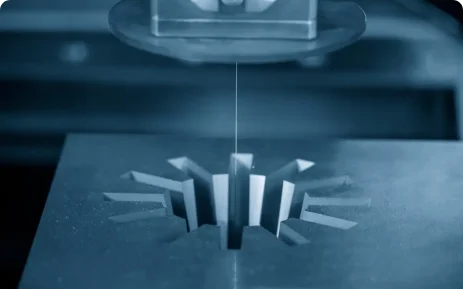
Wire EDM (Wire Electrical Discharge Machining) uses a thin, continuously moving wire electrode to cut conductive metal along a programmed path. Electrical discharges erode the material without the wire ever touching the workpiece, making it ideal for hardened metals and complex geometries that require high precision with no cutting force.
Best for: Through-cut profiles, complex contours, small internal radii, hardened materials
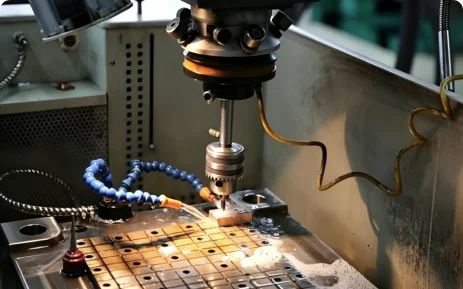
Sinker EDM (Sinker Electrical Discharge Machining), also known as die-sinking or ram EDM, uses a custom-shaped graphite or copper electrode to erode material through controlled electrical sparks. The electrode never contacts the workpiece, allowing it to form blind cavities and internal features that CNC tooling cannot reach.
Best for: Blind cavities, sharp internal corners, deep ribs and narrow slots, mold & die components
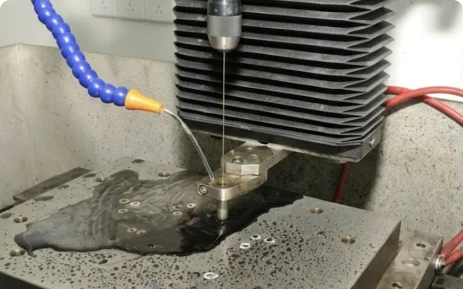
Hole-Drilling EDM (Hole-Drilling Electrical Discharge Machining) uses a rotating tubular electrode to produce precise, deep holes through electrical discharge rather than mechanical cutting. With no contact between tool and workpiece, it drills cleanly through hardened steels, carbide, and titanium where conventional drills would break or deflect.
Best for: Start holes for wire EDM, deep micro holes, hardened & exotic alloys
We machine a broad range of electrically conductive metals to meet the performance requirements of your application.
Tool steel offers excellent hardness and wear resistance after heat treatment, making it a core material for EDM. Because EDM removes material through spark erosion rather than cutting, hardness has little effect on process speed, allowing precise features to be formed even after hardening.
Ideal for: Mold cavities, punches and dies, stamping tools, precision fixtures
Available Grades: A2, D2, O1, S7, H13, P20
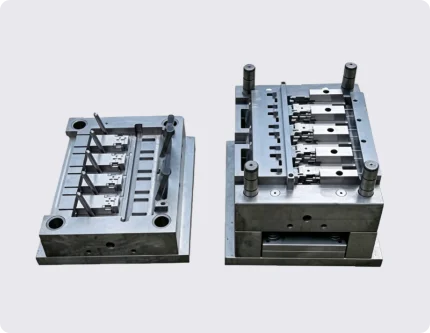
We offer a range of post-processing options to meet your part's surface, tolerance, and functional requirements.
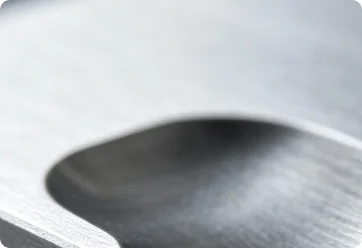
Skim cutting uses one or more finishing passes with finer discharge parameters to improve surface finish and dimensional accuracy after the initial EDM cut. It is especially common in wire EDM, and similar finishing passes may also be used in sinker EDM applications where tighter surface requirements are needed.
Best For: Precision mold components, sealing surfaces, parts requiring tighter tolerances
| Parameter | Specification |
|---|---|
| Tolerance | • Wire EDM: Down to ±0.01-0.02 mm • Sinker EDM: Down to ±0.01-0.02 mm • Hole-Drilling EDM: Typically ±0.05 mm to ±0.1 mm |
| Surface Roughness | • Standard Finish: Ra 1.6 to 3.2 μm • Fine/Polished Finish: Down to Ra 0.2 μm upon request |
| Typical Lead Time | As fast as 7 business days for standard orders; actual lead time depends on part complexity, quantity, and current production schedule |
| Maximum Part Size | • Sinker EDM: Up to 800 x 600 x 400 mm • Wire EDM: Up to 1,000 x 800 x 400 mm (large-bed capacity) • Hole-Drilling EDM: Up to 600 x 400 x 300 mm |
| Minimum Feature Size | • Sinker EDM: Ribs as thin as 0.2 mm (under optimal conditions) • Wire EDM: Internal corner radii down to 0.11 mm using 0.20 mm wire; down to 0.06 mm using 0.10 mm wire for finer detail • Hole-Drilling EDM: Hole diameters from 0.15 mm to 3.0 mm |
*Note: Specifications above are typical values for reference only; actual results depend on part geometry, material, and design complexity.

While our instant quoting platform uses your 3D CAD files for geometric pricing, any custom dimensions, GD&T callouts, specific fits, or tight surface finishes MUST be explicitly detailed in an accompanying 2D PDF drawing.
EDM processes achieve optimal precision and cost-efficiency when strategically integrated into a multi-step manufacturing workflow rather than operating in isolation.
Handles bulk material removal to reduce EDM processing time, establishes accurate reference datums, and precision-machines copper or graphite electrodes.
Wire EDM cuts complex contours and profiles, Hole-Drilling EDM creates starter holes and micro-holes, and Sinker EDM forms deep cavities and fine mold details, each applied based on the part's geometry.
Refines critical dimensions and mating faces, removes the thermal recast layer, and achieves superior surface quality or mirror finishes.
*Note: Structuring the production workflow upfront is key to optimizing cost, precision, and surface quality.
At Unionfab, we make custom EDM machining clearer, faster, and easier to manage from first review to final delivery. Our process is built to help customers move from part files to validated parts with confidence at every stage.

Send us your 3D CAD files, 2D drawings, material and heat treatment requirements, expected quantity, and any tolerance or surface finish requirements. This gives our team the information needed to review manufacturability and prepare an accurate quote.

Our engineering team reviews your design for mold cavities, deep slots, micro holes, and other complex features. DFM feedback may include comments on discharge gap, tolerance stack-up, and electrode strategy that affect machining cost and part quality.

Bulk material removal and reference surfaces are completed with CNC milling or turning, with stock intentionally left for EDM. In parallel, copper or graphite electrodes are precision-machined based on the approved design.

Parts are machined to the confirmed parameters using wire EDM, sinker EDM, or hole-drilling EDM as required. Our team monitors dimensional accuracy, surface condition, debris flushing, and heat-affected zones throughout the process.
Based on your part's requirements, additional post-processing options such as deburring, polishing, or stress relieving are applied to meet surface finish, tolerance, or functional needs.

Finished parts are inspected against the drawing for critical dimensions, surface condition, and appearance, then packed and prepared for shipment according to your project requirements.
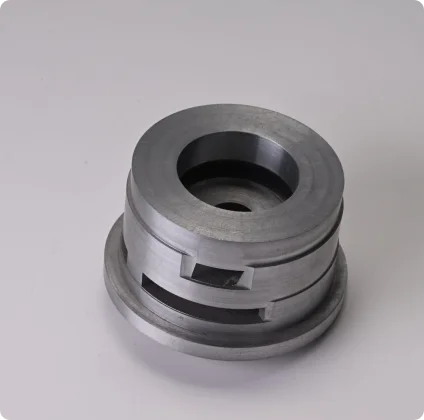
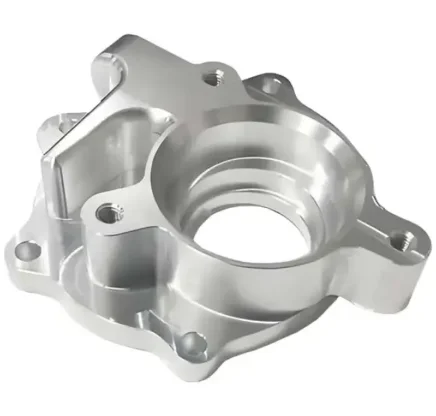
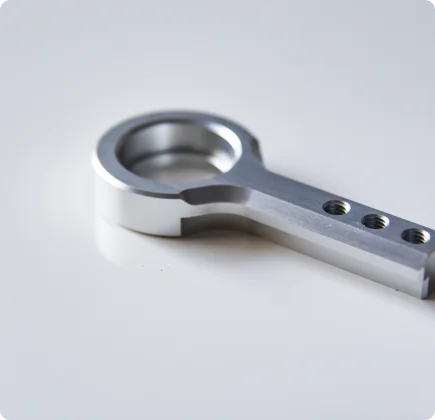
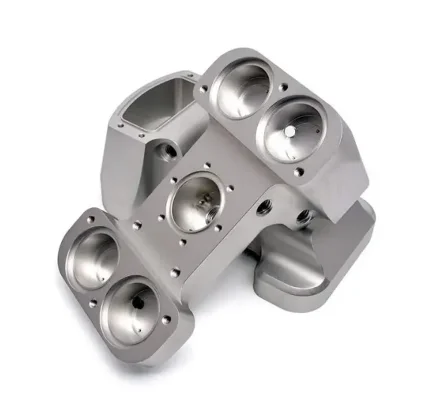
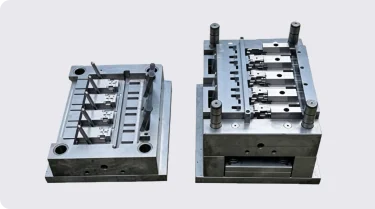
EDM plays an essential role in mold and tooling manufacturing, forming deep cavities, sharp corners, and fine cavity details that conventional cutting tools cannot reach, especially in mold inserts and core components.
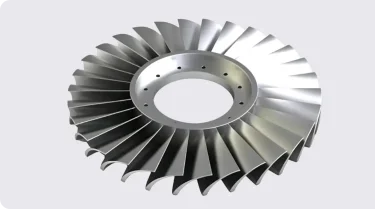
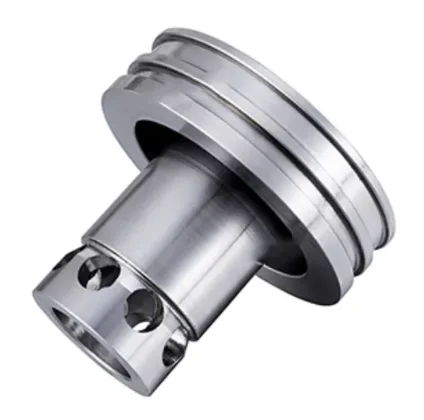
EDM is widely used in aerospace manufacturing to machine heat-resistant superalloys and titanium components, producing precise cooling holes and complex features in materials that are difficult to process with conventional tools.
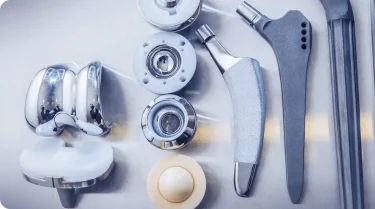
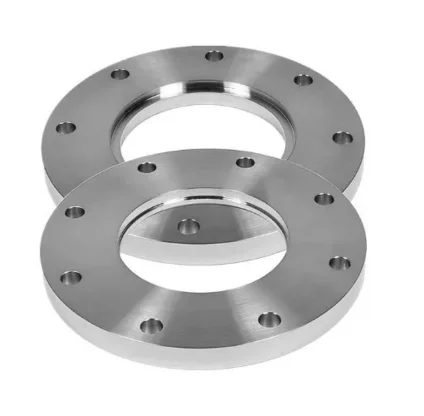
EDM supports the medical device industry with tight-tolerance machining of micro holes, narrow slots, and delicate structures, ensuring the precision and surface quality required for surgical instruments and implant components.
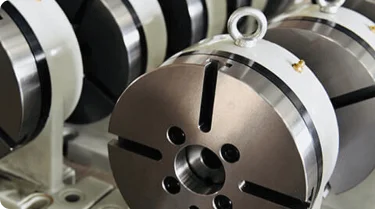
EDM enables the production of hardened and non-standard components used in precision machinery, delivering the accuracy and complex geometries that general machining processes cannot achieve.

Easily cuts hardened tool steel, titanium, and other hard metals without tool wear or part deformation, regardless of hardness.

Only works on electrically conductive metals, ruling out plastics, ceramics, and most composites.
Produces sharp internal corners, deep narrow cavities, and thin walls that traditional milling cutters cannot reach.
Removes material more slowly than conventional cutting, making it less cost-effective for bulk stock removal.
Non-contact machining eliminates cutting force, reducing the risk of distortion in thin walls and delicate structures.
Localized heat from spark erosion can leave a recast layer and residual stress, sometimes requiring polishing or stress relieving.
We adhere to a strict multi-stage inspection protocol to ensure every part meets your exact specifications.
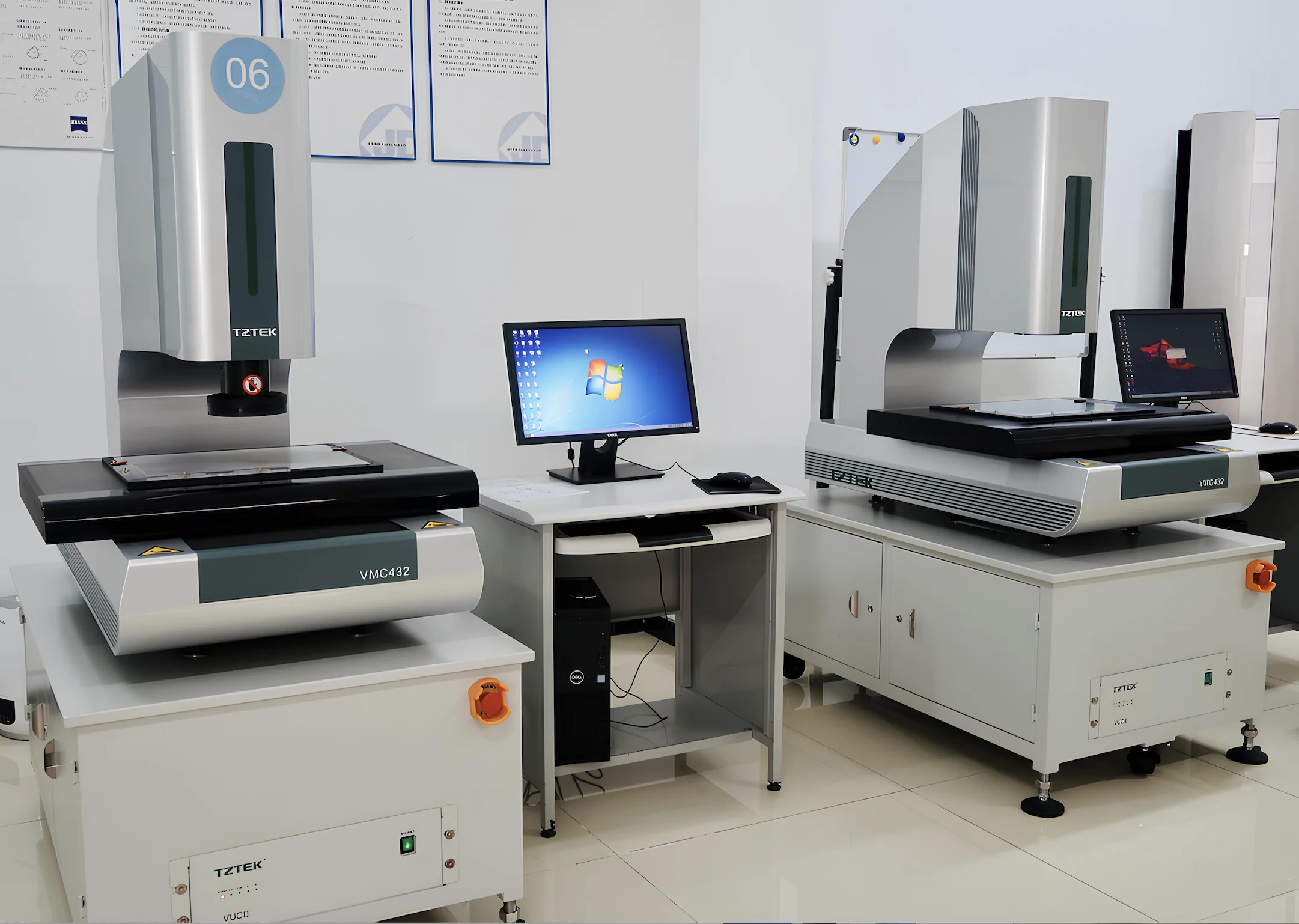
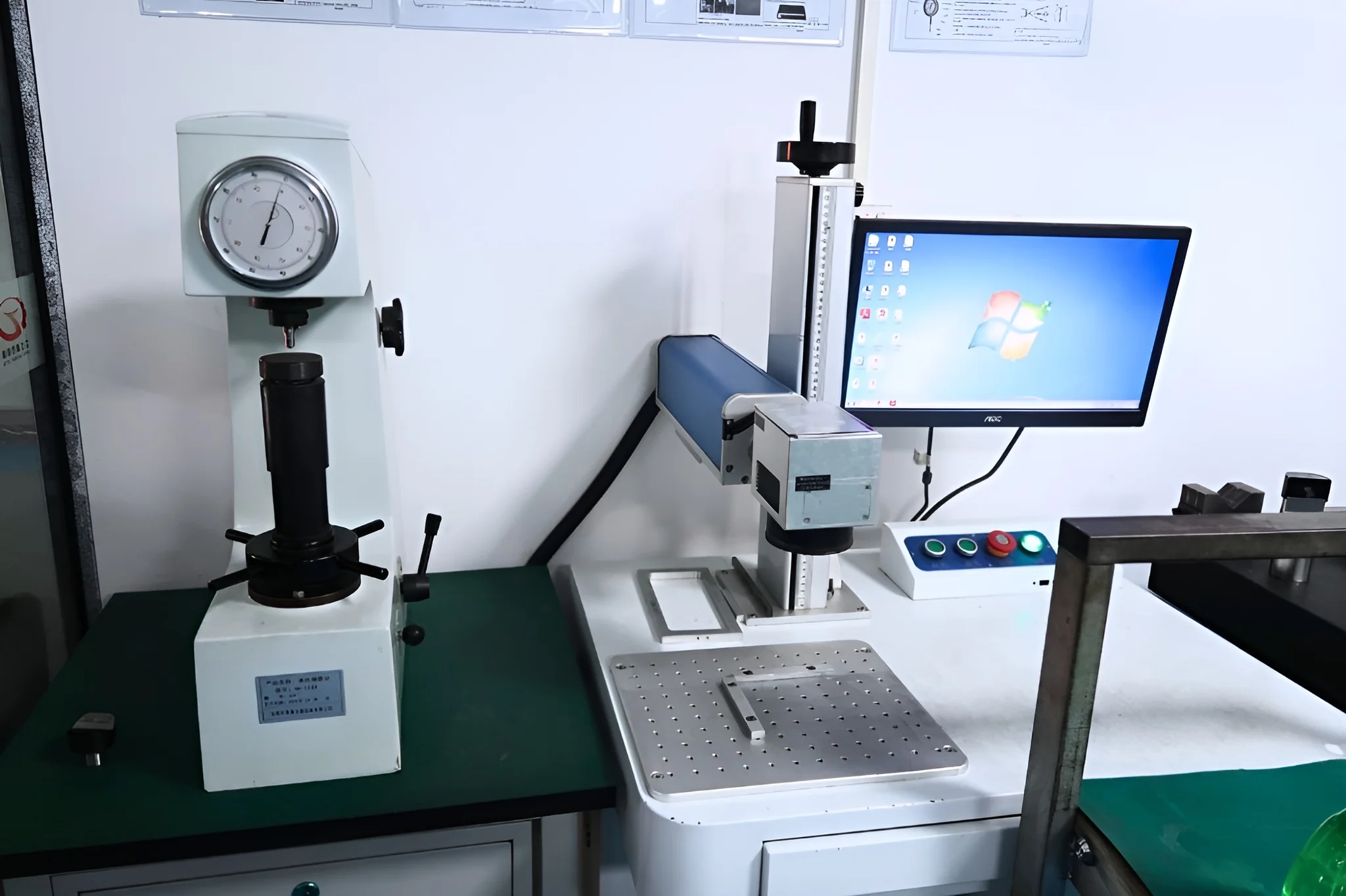
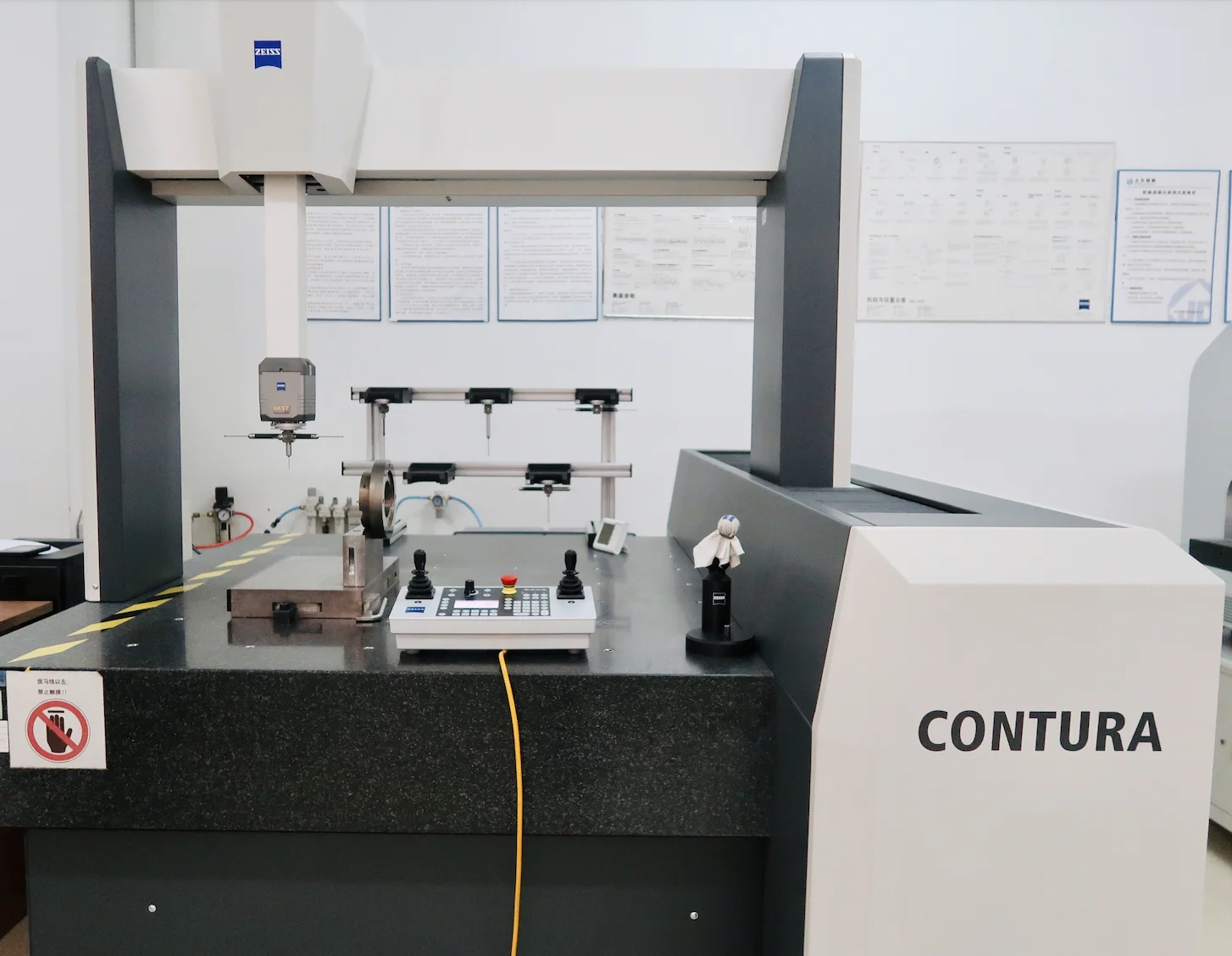
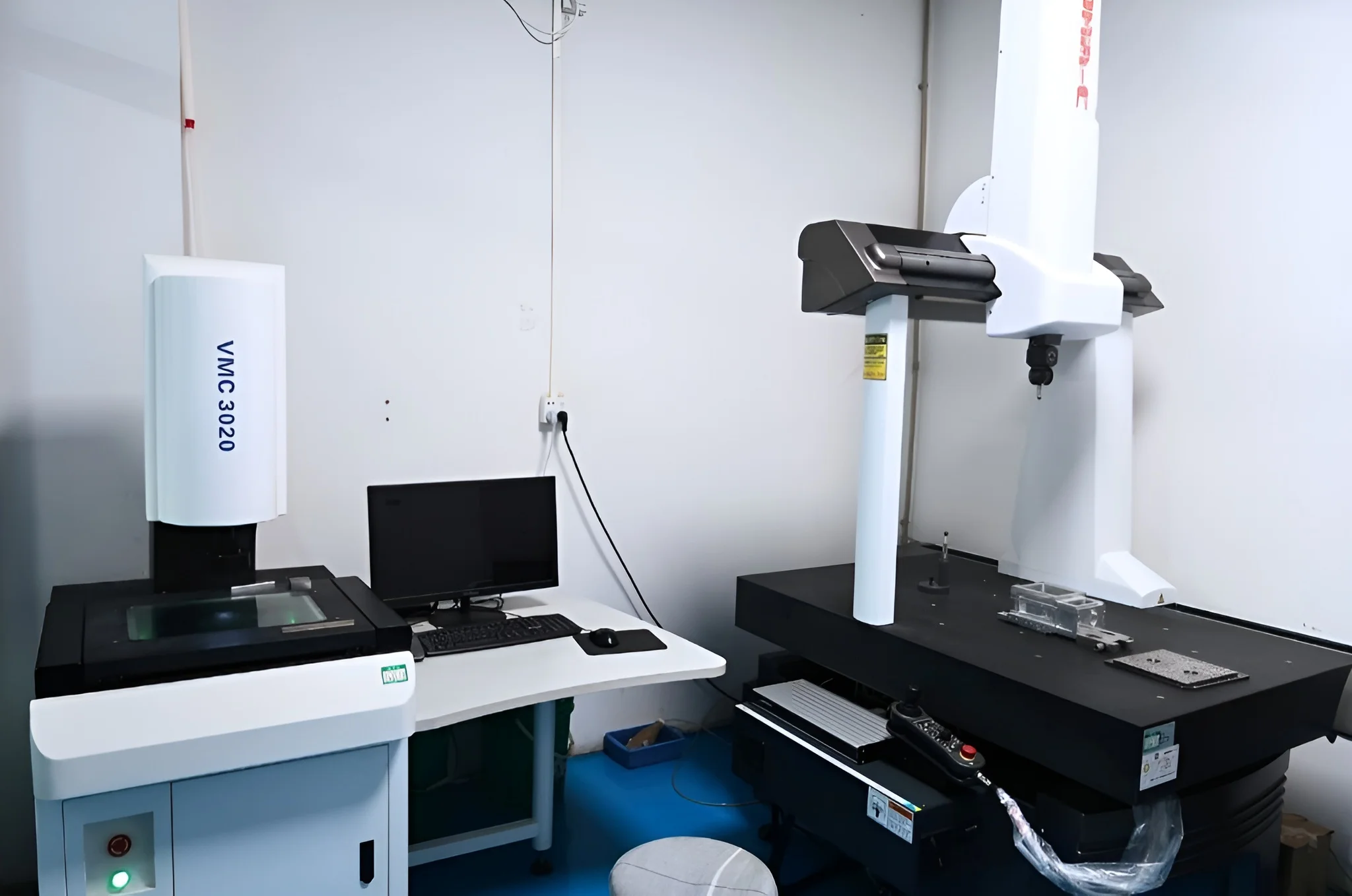
Every order includes a First Article Inspection report (upon request).
We utilize state-of-the-art CMM (Coordinate Measuring Machines), profilometers for surface roughness, and calibrated hand tools.
All material certifications and heat treatment reports are archived and available for audit.
Our quality systems are aligned with international ISO 9001 standards, covering dimensional, geometric (GD&T), and material requirements.
For more details on our quality standards, check out our Inspection Checklist (including both standard and premium options).
We accept both 3D models and 2D drawings. For instant geometry analysis and baseline pricing, please upload your 3D CAD files in STEP, STP, or IGS formats. If your part requires specific tight tolerances, GD&T callouts, or threaded holes, a supplementary 2D drawing in PDF, DWG, or DXF format is required.
We have no strict Minimum Order Quantity (MOQ = 1). Whether you need a single rapid prototype for design validation or a low-volume production run of thousands of parts, our flexible manufacturing network is built to scale with your project efficiently and cost-effectively.
Our standard manufacturing lead time for most CNC projects is 5 business days. For exceptionally simple parts or urgent prototyping needs, we can expedite production and ship in as fast as 1 day. (Please note: Lead times may vary depending on part complexity, total quantity, and any secondary surface finishes required.)
100% Yes. We take intellectual property (IP) protection and data security incredibly seriously. We are proudly ISO 27001 Certified for information security management. Your files are encrypted and shared exclusively with essential engineering staff. We are also fully prepared to sign your Non-Disclosure Agreement (NDA) before you share any CAD files.
Absolutely. By default, every order includes a standard Dimensional Tolerance Report. For production volume orders, we supply comprehensive First Article Inspection (FAI) reports. If your critical components require ultra-precision metrology, full CMM (Coordinate Measuring Machine) inspection is available for an additional fee.
For a deep dive into our quality control processes, please read our guide on Unionfab QC & Inspection Capabilities.
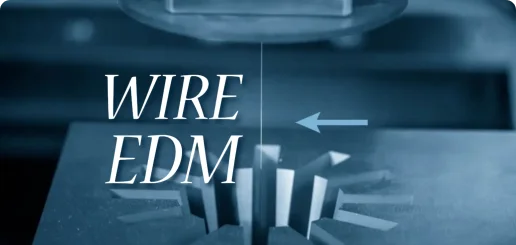
Wire EDM Explained: Your Complete Guide to Precision Machining
Want to machine parts with extreme precision, no mechanical stress, and excellent surface finish? Wire EDM is your answer. In this guide, we’ll show you how it works, what it’s good for, and how to get the most out of it.
CNC Machining Price Guide: Breakdown & Price Comparison
Break down CNC machining prices, learn cost-saving strategies, and compare several major CNC service providers.
3D Printing vs. CNC Machining
Discover the key differences between 3D Printing and CNC Machining. Learn about their processes, materials, benefits, and best use cases in manufacturing.
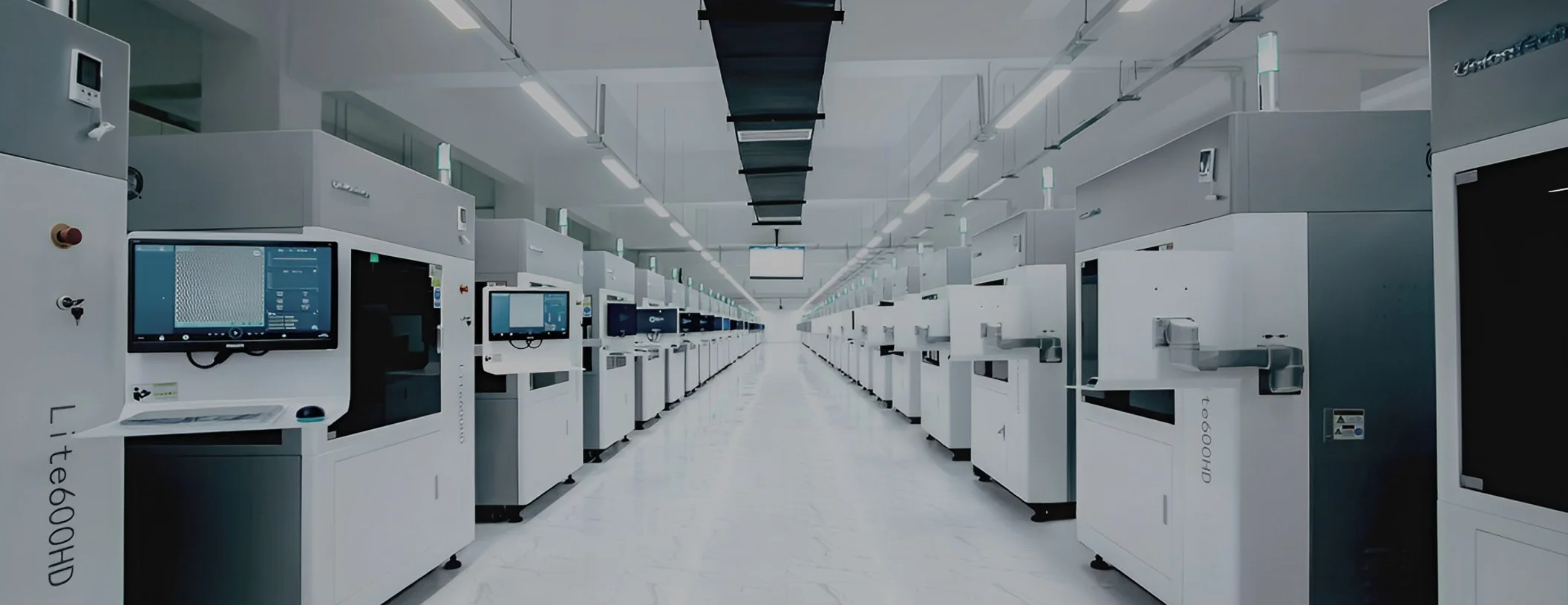

Unionfab is China's Largest 3D Printing Manufacturing Company for Rapid Prototyping and On-Demand Production Parts.


