
CNC-Aluminiumlegierungen
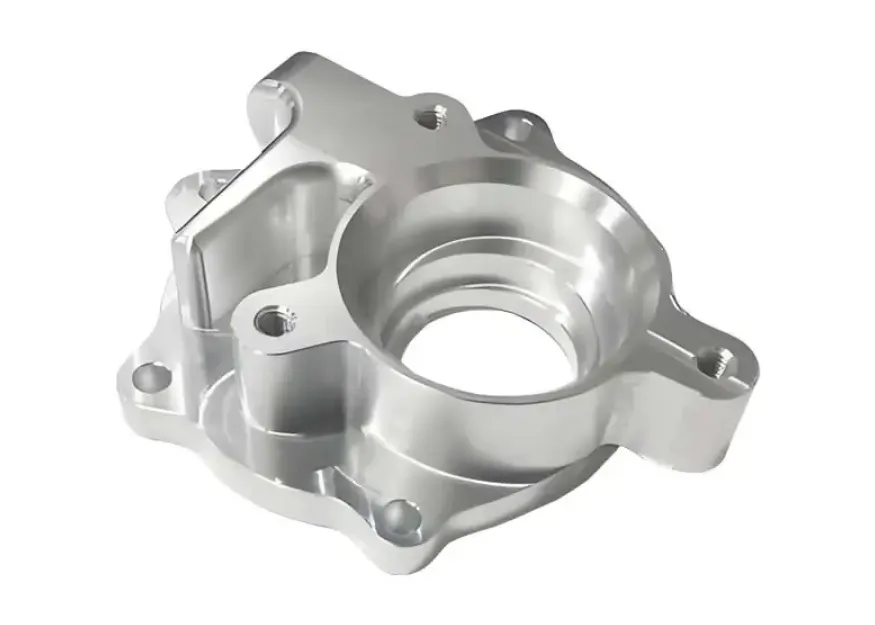
CNC-bearbeitete Aluminiumlegierungen werden aufgrund ihres geringen Gewichts, ihrer hohen Festigkeit, Korrosionsbeständigkeit und hervorragenden Zerspanbarkeit in zahlreichen Branchen breit eingesetzt. Diese Legierungen bieten überlegene mechanische Eigenschaften bei gleichzeitiger Wirtschaftlichkeit und sind damit die ideale Wahl für Luft- und Raumfahrt-, Automobil-, Elektronik- und Industrieanwendungen.
Geringes Gewicht
Korrosionsbeständigkeit
Wärmeleitfähig
Komplexe Geometrien
Lieferzeit
5~7 Tage
Dichte
2.7g/cm³
Typische Toleranz
±0.1 mm
Maximale Größe
3600 x 2500 x 600 mm
Materialprofil
Warum Aluminiumlegierungen die CNC-Basis sind
Geringes Gewicht und hohe Festigkeit
Aluminiumlegierungen haben eine Dichte von etwa 2.7 g/cm³ und sind damit leichter als Stahl, doch einige Legierungen (wie 7075) erreichen in der Festigkeit nahezu Stahlniveau.
Hervorragende Korrosionsbeständigkeit
Insbesondere die Legierungen 5052, 5083, 6061 eignen sich für nasse oder marine Umgebungen.
Gute Zerspanbarkeit
6061, 5052 Diese Legierungen haben hervorragende CNC-Zerspanungseigenschaften und eignen sich für hochpräzise Teile.
Leistungsübersicht
Materialeigenschaften auf einen Blick
Relatives Leistungsprofil über zentrale technische Parameter. Die Werte sind kontextbezogen - keine absoluten Belastungswerte.
Detail
MittelReferenzbewertung: 3/5
Festigkeit
AusgezeichnetReferenzbewertung: 5/5
Flexibilität
NiedrigReferenzbewertung: 2/5
Vorteile
- Leichtgewicht: Aluminiumlegierungen sind deutlich leichter als andere Metalle und eignen sich daher für Luft- und Raumfahrt- sowie Automobilanwendungen.
- Hohe Zerspanbarkeit: Aluminium lässt sich leicht schneiden, bohren und fräsen, was eine schnellere Produktion mit geringeren Werkzeugkosten ermöglicht.
- Korrosionsbeständig: Die natürliche Korrosionsbeständigkeit reduziert in vielen Umgebungen die Notwendigkeit zusätzlicher Beschichtungen.
- Wärmeleitfähigkeit: Ideal für Komponenten, die Wärmeableitung erfordern, wie Kühlkörper.
Einschränkungen
- Festigkeitsgrenzen: Aluminiumlegierungen erreichen in hochbelasteten Anwendungen möglicherweise nicht dasselbe Festigkeitsniveau wie Stahl oder Titan.
- Oberflächenweichheit: Aluminium ist im Vergleich zu anderen Metallen weicher und daher anfällig für Kratzer und Dellen.
- Kosten: Je nach Legierung und Anwendung kann Aluminium im Vergleich zu anderen Werkstoffen wie Kohlenstoffstahl teurer sein.
Technische Spezifikationen
Familien-Daten für CNC-Aluminiumlegierungen
Materialeigenschaften
Bearbeitungsrichtlinien
Verfügbare Oberflächenbehandlungen
Sinnvolle Oberflächen für Aluminiumlegierungen
Eloxieren
Erzeugt eine schützende Oxidschicht auf Metalloberflächen, um Korrosionsbeständigkeit, Verschleißfestigkeit und Farboptionen zu verbessern, häufig verwendet für Aluminium.
Pulverbeschichtung
Bringt eine trockene Pulverbeschichtung auf und härtet sie aus, um eine dauerhafte, farbige Schutzoberfläche zu erzeugen.
Elektropolieren
Verwendet ein elektrochemisches Verfahren, um Metalloberflächen durch Entfernen mikroskopischer Oberflächenspitzen zu glätten und aufzuhellen.
Kugelstrahlen
Strahlt die Oberfläche mit feinem Strahlmittel, um eine gleichmäßige matte Textur zu erzeugen und sichtbare Bearbeitungsspuren zu reduzieren.
Vergleichen & Entscheiden
Andere CNC-Familie wählen
Höhere Festigkeit
CNC-Stahllegierungen
CNC-Stahllegierungen bezeichnet den für die CNC-Bearbeitung verwendeten Stahl, bei dem auf Basis von Kohlenstoffstahl weitere Legierungselemente (wie Chrom Cr, Nickel Ni, Molybdän Mo, Vanadium V, Mangan Mn usw.) zugesetzt werden, um Festigkeit, Härte, Verschleißfestigkeit und Korrosionsbeständigkeit zu verbessern. Stahllegierungen werden in der Luft- und Raumfahrt, Automobilfertigung, Industrieausrüstung, Medizintechnik und Werkzeugherstellung breit eingesetzt.
Korrosionsbeständigkeit
CNC-Edelstahl
CNC-Edelstahl ist ein hochfester, korrosionsbeständiger und hochtemperaturbeständiger Legierungswerkstoff, der hauptsächlich aus Eisen (Fe), Chrom (Cr), Nickel (Ni), Kohlenstoff (C) und anderen Elementen besteht. Er wird in der CNC-Bearbeitung breit zur Herstellung von Präzisionsteilen, Strukturteilen, Medizingeräten, Automobilteilen usw. eingesetzt und ist wegen seiner hervorragenden mechanischen Eigenschaften, Langlebigkeit und Eignung für Oberflächenbehandlungen beliebt.
Premium-Festigkeit-zu-Gewicht-Verhältnis
CNC-Titanlegierungen
Titanlegierungen sind Metallwerkstoffe mit hoher Festigkeit, geringer Dichte, Korrosionsbeständigkeit und Hochtemperaturbeständigkeit, die breit in der Luft- und Raumfahrt, Medizintechnik, Automobilindustrie, Meerestechnik, im Militärwesen und anderen Bereichen eingesetzt werden. Aufgrund des hohen Festigkeit-zu-Gewicht-Verhältnisses und der hervorragenden Korrosionsbeständigkeit von Titanlegierungen sind sie schwer zu bearbeiten, sodass für die CNC-Bearbeitung spezielle Werkzeuge und Bearbeitungsstrategien erforderlich sind.
Nächster Schritt
Bereit, Teile aus CNC-Aluminiumlegierungen zu bearbeiten?
Laden Sie Ihre CAD-Datei hoch und fügen Sie eine 2D-Zeichnung für toleranzkritische Merkmale, Gewinde, Oberflächenanforderungen und Prüfhinweise hinzu.

Unionfab is China's Largest 3D Printing Manufacturing Company for Rapid Prototyping and On-Demand Production Parts.
沪ICP备17023219号-3Region: -, Version: 26.10.14
